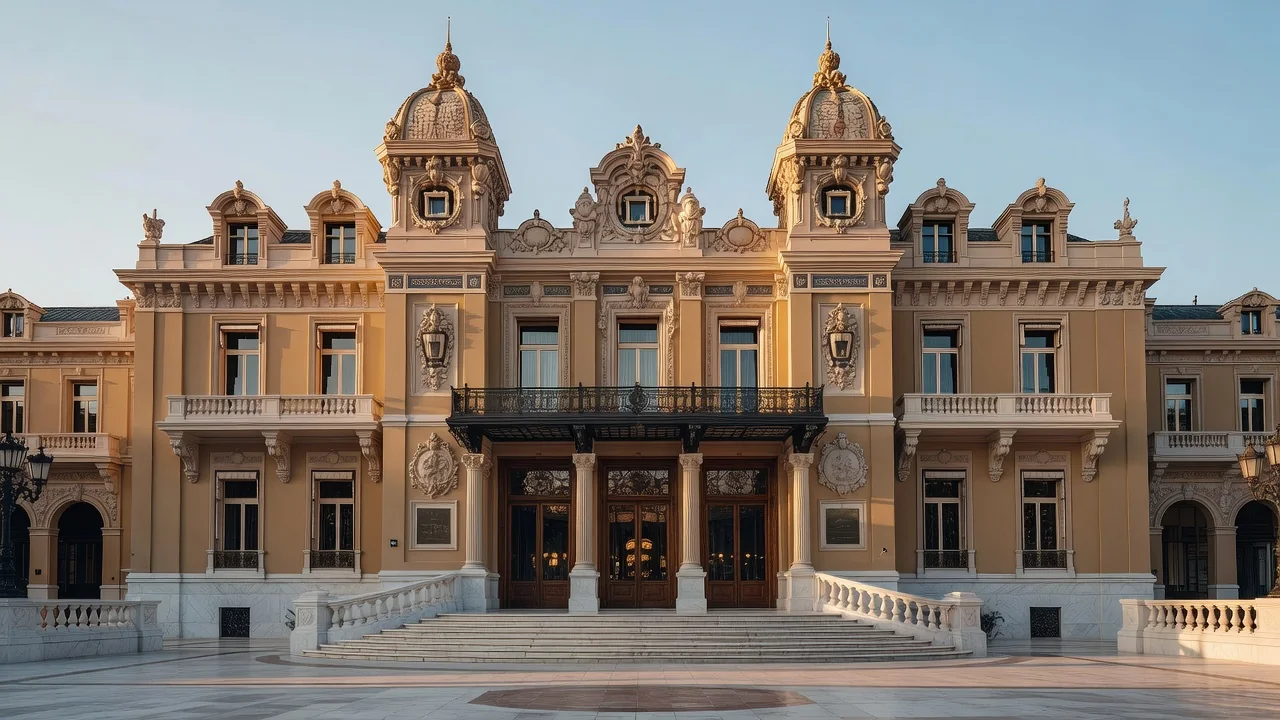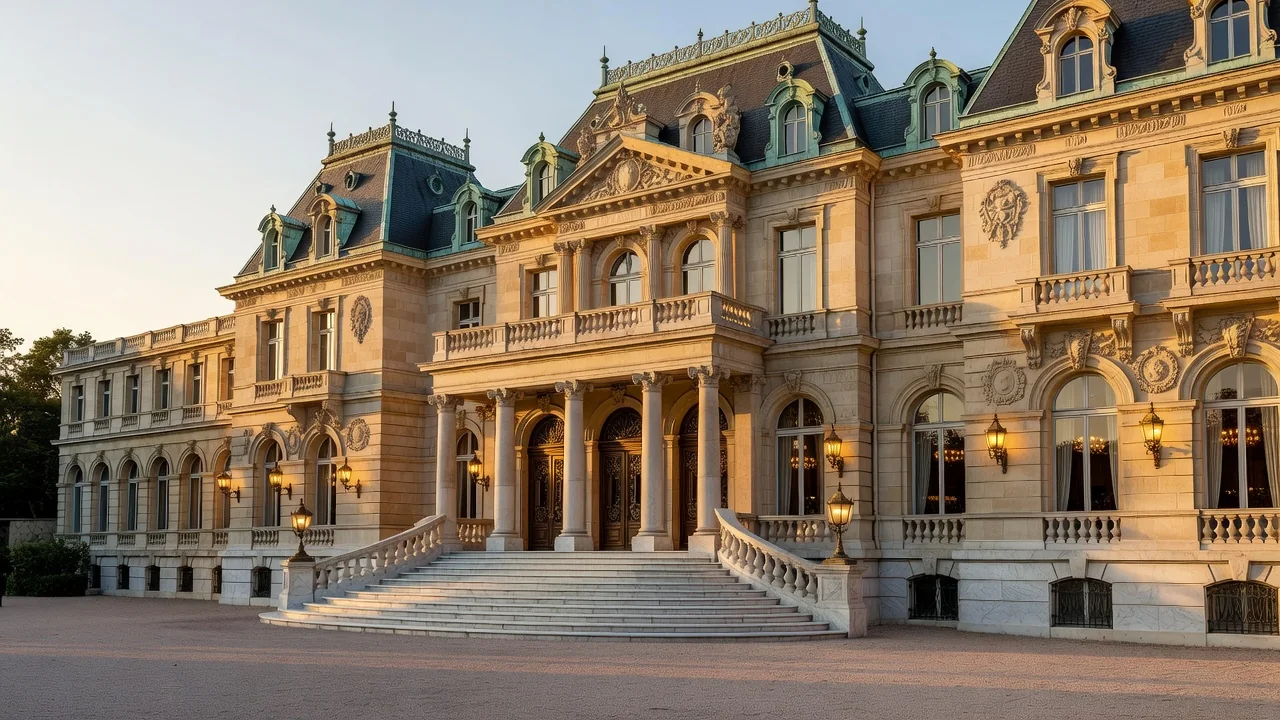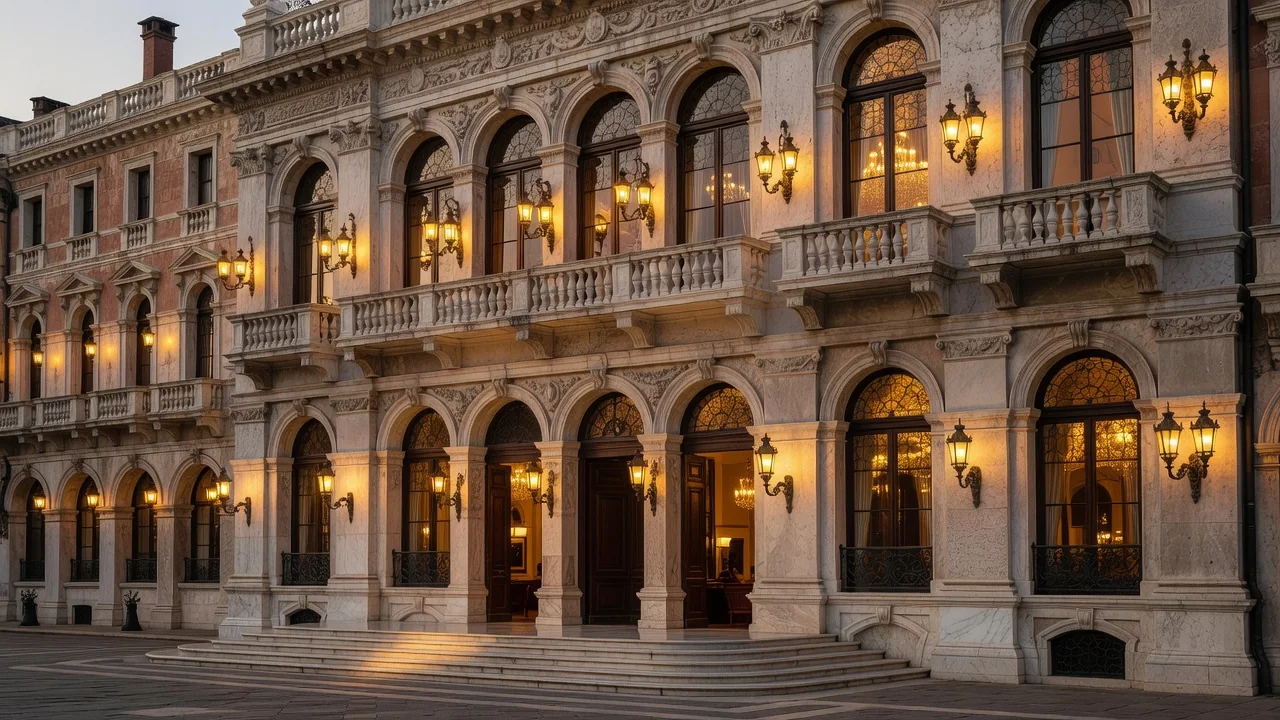
Nestled along the iconic Grand Canal in Venice’s Cannaregio district, the Casino di Venezia stands as a monument to Italy’s rich history and enduring love for refined entertainment. Established in 1638, it holds the distinction of being the world’s oldest continuously operating casino, a legacy that weaves together centuries of Venetian culture, architecture, and gaming tradition.
For those exploring the most prestigious land-based casinos of Western and Southern Europe, this Venetian gem offers an unparalleled experience, blending the romance of the lagoon city with the thrill of the gaming tables, all within the walls of a Renaissance palace.
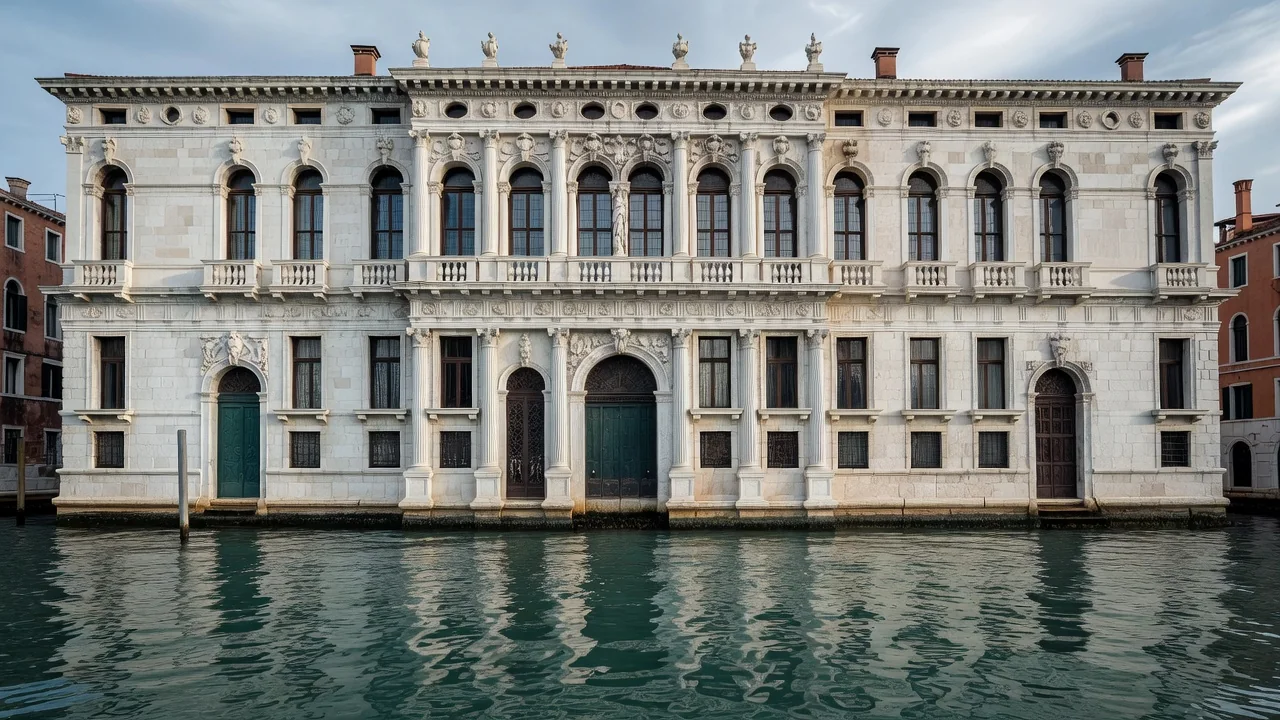
The casino’s journey began as a pioneering venture in the heart of the Venetian Republic, a time when gambling was both a social pastime and a regulated indulgence for the elite. Housed in the stunning Ca’ Vendramin Calergi palace since the 1950s, it has evolved from a modest gaming house into a sophisticated destination that attracts visitors from around the globe. Its location on the Grand Canal, accessible by gondola or water shuttle, adds a layer of enchantment, while its interior—adorned with frescoes, chandeliers, and marble—reflects the grandeur of Venice’s golden age.
This article delves into the casino’s storied past, its architectural splendor, and the unique entertainment it offers, showcasing why it remains a jewel in Italy’s crown.
A Historic Haven: Key Features at a Glance
Casino di Venezia’s allure lies in its seamless blend of historical charm and classic gaming, all set within the opulent Ca’ Vendramin Calergi palace. The table below outlines its core offerings, providing a quick look at what visitors can expect from this Venetian treasure.
| Feature | Details | Location | Operating Hours |
|---|---|---|---|
| Slot Machines | 600+ machines, modern and classic | Ground Floor | 11 a.m. – 3 a.m. daily |
| Roulette | French and Fair variants | Noble Floor (2nd Floor) | 3:30 p.m. – 3 a.m. daily |
| Blackjack | Multiple tables, varied stakes | Noble Floor | 3:30 p.m. – 3 a.m. daily |
| Baccarat | Punto Banco, Chemin de Fer | Noble Floor | 3:30 p.m. – 3 a.m. daily |
| Poker | Caribbean Stud, cash games | Noble Floor | 3:30 p.m. – 3 a.m. daily |
From Renaissance Roots to Modern Refinement
The Casino di Venezia’s story begins in 1638, when it opened as the world’s first public gaming house at the Teatro San Moisè, a theater-turned-casino in Venice’s San Marco district. Known as the Ridotto, it was established by the Venetian government to regulate gambling during the carnival season, offering a controlled space for the city’s nobility to indulge in games like biribi and basset. This pioneering venture marked the birth of the modern casino, setting a precedent for regulated gaming across Europe.
The Ridotto thrived for over a century, drawing aristocrats and adventurers until it closed in 1774 due to moral and financial concerns raised by the Council of Ten.
The casino’s modern chapter began in the 20th century, with its relocation to the Lido di Venezia in the 1930s and then to the Ca’ Vendramin Calergi palace in 1959. This Renaissance masterpiece, designed by Mauro Codussi and completed in 1509, became its permanent home, transforming it into a symbol of Venetian luxury. The move to Ca’ Vendramin Calergi coincided with a postwar tourism boom, positioning the casino as a key attraction in a city already famed for its canals and art.
In 1999, a second venue, Ca’ Noghera, opened near Marco Polo Airport, expanding the Casino di Venezia brand with a more American-style gaming floor, but Ca’ Vendramin remains the heart of its historic legacy.
- 1638: Opens as the Ridotto at Teatro San Moisè, the world’s first public casino.
- 1774: Closes due to government decree, ending its initial run.
- 1959: Relocates to Ca’ Vendramin Calergi, embracing its Renaissance setting.
- 1995: Opens the Wagner Museum within the palace, adding cultural depth.
Architectural Elegance and Entertainment Unveiled
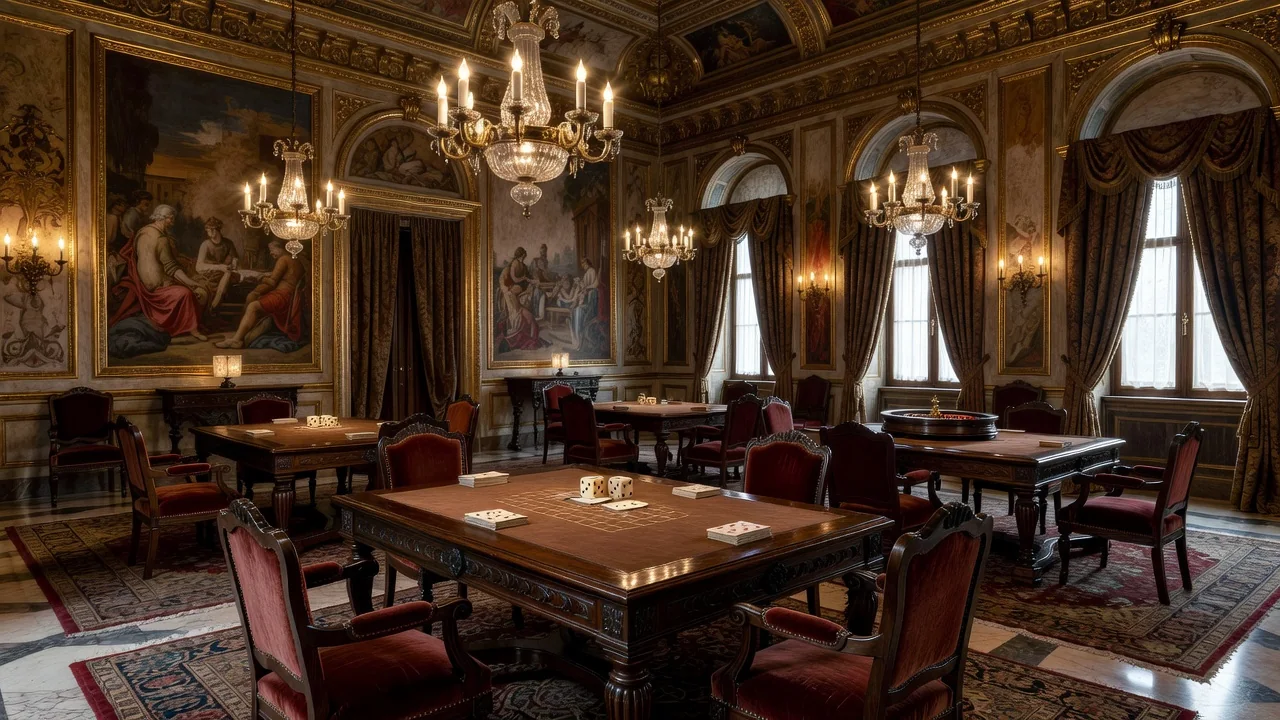
Casino di Venezia’s home, the Ca’ Vendramin Calergi palace, is a Renaissance marvel that elevates its status beyond a mere gaming venue. Designed by Mauro Codussi in 1481 and completed in 1509 by the Lombardo family, the palace features a harmonious façade of Istrian stone, with arched windows and columns framing its Grand Canal frontage. Inside, the noble floor—where gaming takes place—boasts high ceilings adorned with frescoes by Mattia Bortoloni and Palma il Giovane, complemented by Murano glass chandeliers and marble floors.
The ground floor, accessible by gondola, houses the slot machines, while the upper levels offer an intimate, elegant setting for table games, reflecting Venice’s artistic heritage.
The gaming experience is a blend of tradition and refinement. The 600+ slot machines on the ground floor, open from 11 a.m. to 3 a.m., cater to casual players with bets starting at €0.01, featuring both classic and modern designs. The noble floor, active from 3:30 p.m. to 3 a.m., hosts over 20 tables—French and Fair Roulette spin with European flair, blackjack tables offer stakes from €10, and baccarat, including Punto Banco and Chemin de Fer, nods to Italy’s gaming roots with limits up to €5,000.
Poker tables, featuring Caribbean Stud and cash games, add variety, though high-stakes tournaments are less frequent here than at larger modern casinos. The dress code is smart casual, with jackets required for men in the gaming rooms, ensuring a polished atmosphere.
- Frescoed gaming rooms with Renaissance art.
- Waterfront access via gondola or shuttle.
- Wagner Museum offering a historical glimpse.
- Garden views of the Grand Canal.
Why Casino di Venezia Endures
Casino di Venezia’s enduring appeal lies in its ability to balance its historic roots with a refined gaming experience. As the world’s oldest casino, it carries a prestige unmatched by modern rivals, its 17th-century origins lending an air of authenticity to every spin of the roulette wheel. The Ca’ Vendramin Calergi palace, with its artistic treasures and canal-side elegance, transforms a visit into a cultural journey, appealing to those who value heritage as much as entertainment. Its modest size—compared to sprawling resorts—creates an intimate atmosphere, where the clatter of chips mingles with the murmur of multilingual guests.
The casino’s integration with Venice’s lifestyle enhances its allure. Open daily except December 24 and 25, its late-night hours (until 3 a.m., or 4 a.m. on weekends) suit the city’s nocturnal rhythm, while free entry (with a €10 fee offset by chips for non-shuttle arrivals) broadens its reach. The Wagner connection adds a unique draw—visitors can explore the composer’s final home alongside their gaming, a blend of high culture and leisure rare in the casino world. Additional highlights that set it apart include:
- Classic games like Chemin de Fer, tied to Italian tradition.
- Free shuttle service from key Venice points.
- Intimate noble floor for a refined gaming vibe.
Visiting Casino di Venezia in 2026: Practical Notes
Ca’ Vendramin Calergi keeps its split personality: morning museum visits by appointment, gaming from the afternoon into the night. The shuttle-boat arrangement, entry fee and chip-bundled tickets are adjusted seasonally, so check the current terms before choosing between the vaporetto, the shuttle and a water taxi. The Cannaregio landing stage is the elegant arrival; the Piazzale Roma side entrance is the practical one.
Carnival and the Film Festival weeks pack the palazzo; shoulder-season weekdays let you drift from the Wagner rooms to the tables almost alone. Remember the venue enforces 18+ (ID checked) and a smarter dress standard after dark.
Venice in the Story of European Gaming
The Ridotto of 1638 makes Venice the starting point of our history of gambling in Europe, and the palazzo itself stars in the casino architecture feature. Travellers combining northern Italy with the Riviera should see Casino de Monte-Carlo next; those heading north can continue to Casino Baden-Baden for the German spa-era counterpart.
Games, Stakes and Atmosphere
French roulette, chemin de fer and blackjack share the palazzo’s frescoed rooms with a modern slot park spread over several floors. Minimums are gentle for such a storied address, and the mixed crowd of art lovers and regulars gives the floor a peculiar Venetian calm. The Ca’ Noghera sister venue near the airport covers the American-style offer with more slots and daily poker tournaments.