Nestled in the heart of Monaco, the Casino de Monte-Carlo stands as a beacon of luxury, history, and unparalleled prestige. This iconic establishment, perched above the Mediterranean Sea, is more than just a gambling venue—it’s a symbol of the principality’s transformation from a sleepy coastal town into a global playground for the elite. Since its opening in 1863, it has drawn visitors from across the world, captivated by its architectural splendor, high-stakes gaming, and the promise of an experience steeped in elegance.
For those exploring Europe’s most prestigious land-based casinos, Monte-Carlo is a must-visit, offering a blend of tradition and modernity that few can rival.
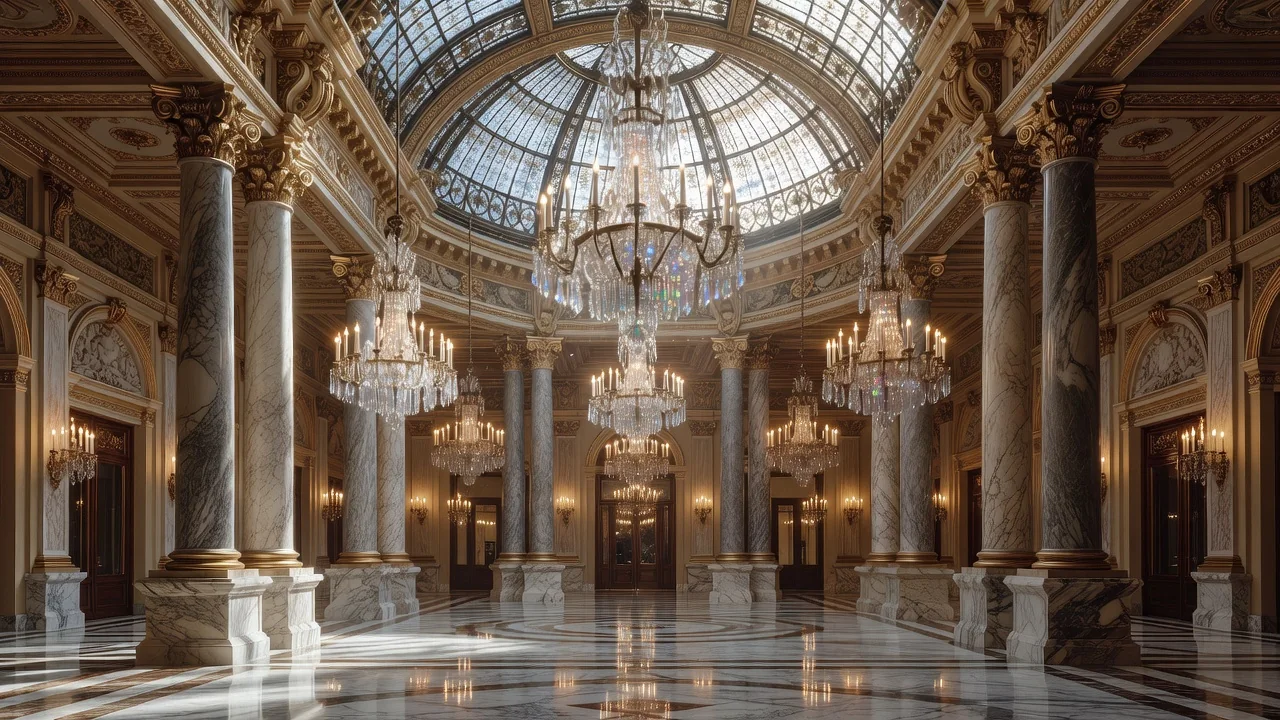
The casino’s allure lies in its ability to transcend the typical gambling hall, weaving together art, culture, and exclusivity into a seamless tapestry. Its Belle Époque design, crafted by the renowned architect Charles Garnier, sets it apart as a masterpiece of 19th-century opulence, while its gaming rooms cater to both seasoned players and curious newcomers. Beyond the tables, it serves as a cultural hub, hosting performances and events that enhance its status as a Monaco landmark. This article delves into the casino’s rich history, its architectural marvels, and the gaming experience that continues to define its legacy.
- Economic Revival: The casino’s profits eliminated the need for personal taxes, a financial boon that began in the 1860s and persists today.
- Tourism Magnet: Its presence draws millions annually, fueling Monaco’s status as a top travel destination.
- Cultural Beacon: From hosting artists to inspiring films, it has elevated Monaco’s cultural profile.
- Urban Development: Revenue funded roads, railways, and luxury infrastructure, shaping the modern cityscape.
A Historical Legacy Born of Vision and Necessity
The story of the Casino de Monte-Carlo begins in the mid-19th century, when Monaco faced financial ruin. The ruling Grimaldi family, desperate to revive the principality’s fortunes, turned to gambling as a solution. In 1856, Princess Caroline, wife of Prince Florestan I, proposed establishing a casino to generate revenue, inspired by the success of spa towns like Baden-Baden.
Initial attempts faltered, but in 1863, the Société des Bains de Mer (SBM), a company founded to manage Monaco’s tourism and gambling, opened the casino under the direction of François Blanc, a French entrepreneur known as the “Magician of Monte Carlo.” His vision transformed the venture into a resounding success.
The casino’s early years were marked by rapid growth. Blanc’s expertise in gaming operations, honed at German casinos, brought a level of professionalism that attracted Europe’s aristocracy. By the late 1860s, it was generating enough profit to abolish taxes for Monaco’s citizens, a policy that endures today. The construction of a railway linking Monaco to Nice in 1868 further boosted its accessibility, drawing crowds from France and beyond. The casino became a cornerstone of Monaco’s economy, funding infrastructure projects and cementing its reputation as a haven for the wealthy.
- 1863: Official opening under François Blanc’s management.
- 1868: Railway connection to Nice enhances visitor numbers.
- 1914-1918: Temporarily repurposed as a wartime hospital.
- 1960s: Gains fame through James Bond films, boosting global recognition.
- 2010s: Modern renovations preserve its heritage while updating facilities.
Architectural Grandeur: A Masterpiece of Belle Époque Design
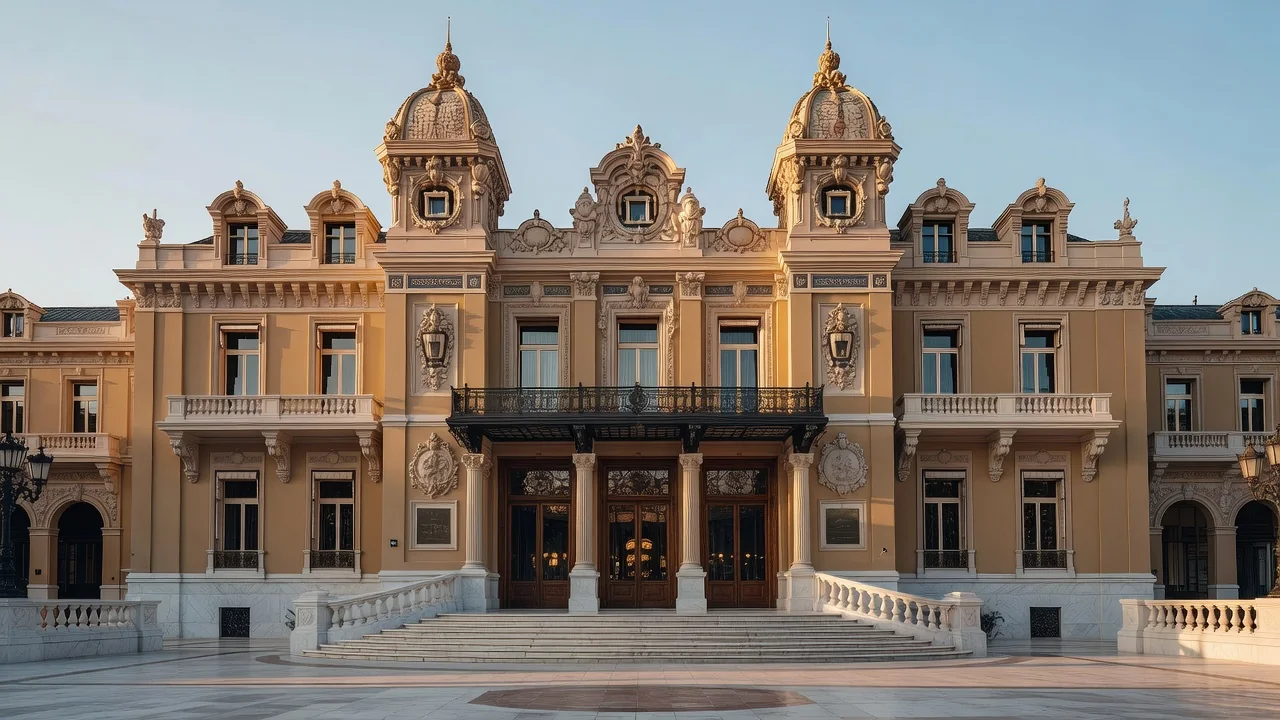
The Casino de Monte-Carlo’s physical presence is as striking as its history, a testament to the genius of Charles Garnier, the architect behind the Paris Opera. Completed in 1878, the building is a pinnacle of Belle Époque style, characterized by its ornate details, lavish materials, and harmonious proportions. The façade, with its twin towers and intricate stonework, overlooks the Place du Casino, a plaza framed by palm trees and luxury boutiques. The structure exudes a sense of grandeur that invites awe before you even step inside, setting the tone for the experience within.
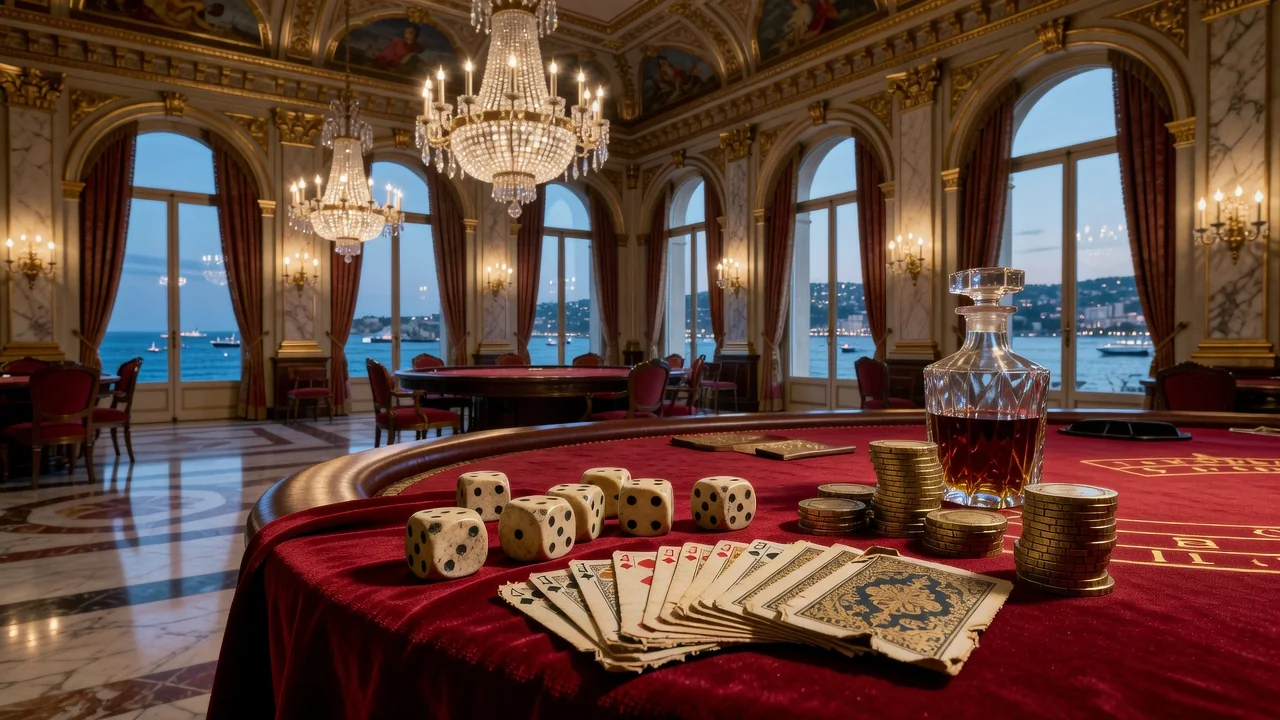
Inside, the casino unfolds like a series of opulent galleries. The Atrium, the first space visitors encounter, features a marble floor, gold accents, and a soaring ceiling adorned with frescoes. It leads to the gaming salons, each with its own character. The Salle Europe, the main gaming room, boasts chandeliers crafted from Bohemian crystal and walls lined with allegorical paintings depicting the seasons. The Salle Blanche, with its white-and-gold palette, offers a lighter, airier feel, while the private salons—like the Salle Touzet—cater to high rollers with discreet, plush interiors.
Every corner reflects Garnier’s attention to detail, from the sculpted caryatids to the stained-glass windows.
- Marble Atrium with frescoed ceiling.
- Salle Europe’s Bohemian crystal chandeliers.
- Salle Blanche’s white-and-gold elegance.
- Private Salle Touzet for VIP gaming.
- Adjacent Opera House with 500 seats.
The Gaming Experience: High Stakes and Timeless Thrills
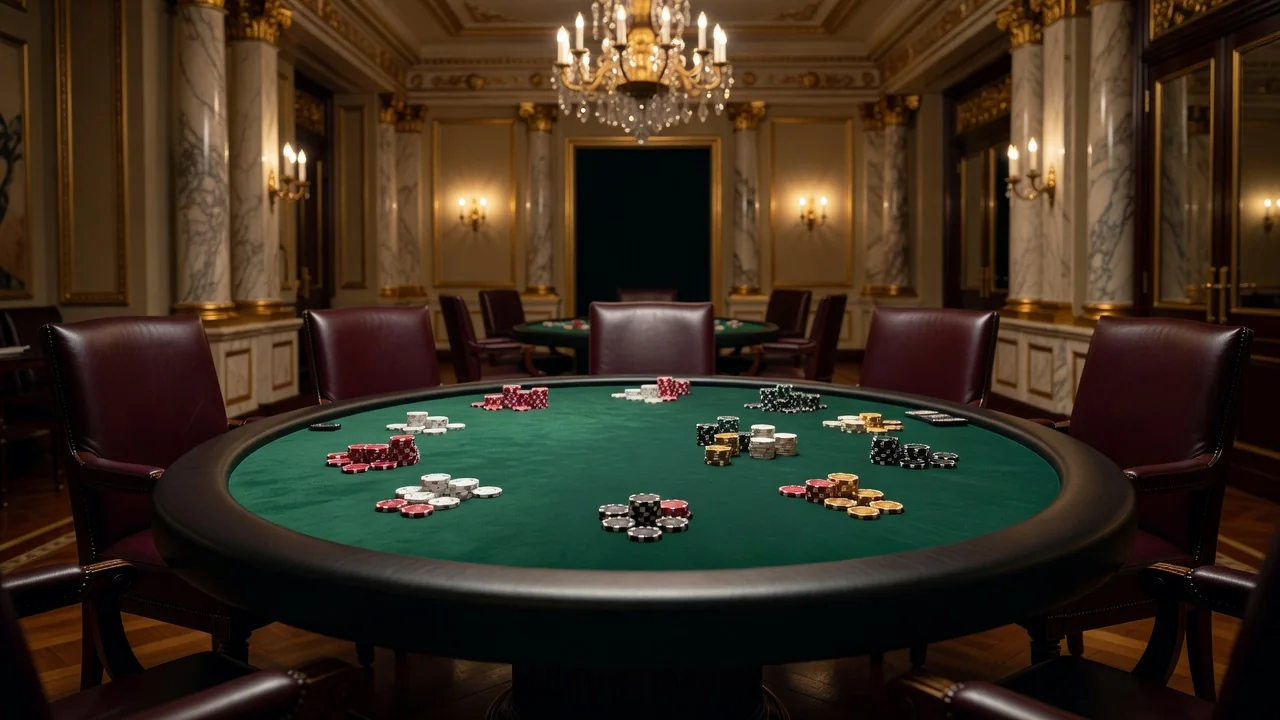
At its core, the Casino de Monte-Carlo is about gaming, offering a blend of tradition and excitement that defines its reputation. The casino features a wide array of options, from classic table games to modern machines, all set within its luxurious salons. Roulette, a French invention, is a centerpiece, with European-style wheels dominating the Salle Europe. Blackjack and baccarat attract strategic players, while poker rooms host high-stakes tournaments that draw professionals from around the globe. Slot machines, though fewer than in larger resorts, offer a nod to contemporary tastes, with sleek designs and progressive jackpots.
The experience is tailored to exclusivity. A dress code—jackets required after 8 p.m.—ensures a formal atmosphere, and entry fees (around €17) filter the crowd to serious players and curious tourists. The private salons, accessible by invitation or high minimum bets, cater to VIPs, offering privacy and personalized service. Stakes can soar into the millions, with tales of fortunes won and lost adding to the casino’s mystique. The croupiers, trained to impeccable standards, enhance the professionalism, their crisp uniforms and precise movements adding to the theater of play. The table below outlines the key gaming offerings and their settings:
| Game Type | Primary Salon | Features | Minimum Bet (Approx.) |
|---|---|---|---|
| Roulette | Salle Europe | European single-zero wheels | €5-€10 |
| Blackjack | Salle Blanche | Multi-deck tables, side bets | €25 |
| Baccarat | Salle Touzet (VIP) | High-stakes, private setting | €100 |
| Poker | Poker Room | Texas Hold’em tournaments | €50 (cash games) |
| Slots | Salle Renaissance | 300+ machines, progressive jackpots | €0.01-€1 |
Visiting Casino de Monte-Carlo in 2026: Practical Notes
Afternoon entry remains the relaxed way to see the gaming rooms: the atrium opens to visitors from late morning, while the Salon Europe and private rooms follow their own schedules and minimums that shift with the season. Entry packages, chip bundles and guided tours are re-priced from time to time, so check the current terms on the venue’s official channels before you plan the day. Jackets after 8 p.m. are still non-negotiable in the gaming areas, and a passport or EU ID is required at the door.
Arrive before the evening rush if you want the Salle Médecin and the terraces relatively quiet; tournament weeks and Grand Prix week turn the whole Place du Casino into a queue. Budget travellers can enjoy the atrium and the Café de Paris next door without buying into the gaming rooms at all.
Monte-Carlo in a European Casino Itinerary
Monte-Carlo anchors any southern route: pair it with Casino di Venezia for a Riviera double, or continue west to Casino Estoril on the Portuguese coast. Our European casino travel guide 2026 maps the rail connections, and the casino architecture feature explains why Garnier’s building still tops every list.
Games, Stakes and Atmosphere
The gaming offer splits between the Salle Europe’s classic tables — roulette, trente et quarante, blackjack — and the slot halls that open earlier and demand no jacket. Minimums are among the highest in Europe, and the private salons raise them further; casual visitors often prefer to watch a few spins from the rail before committing. Tournament poker arrives in scheduled festivals rather than as a daily fixture.
Dining, Shows and the Place du Casino
The Salle Garnier opera house, the Café de Paris terraces and the fine-dining rooms of the Hôtel de Paris turn a casino visit into a full evening on the square. Summer brings open-air events to the Place du Casino, and the venue’s own restaurants run seasonal menus that regulars book alongside their gaming. Non-players can fill an entire visit without touching a table.