Architecture of Europe’s Great Casinos: Palazzi, Kurhauses and Modern Icons
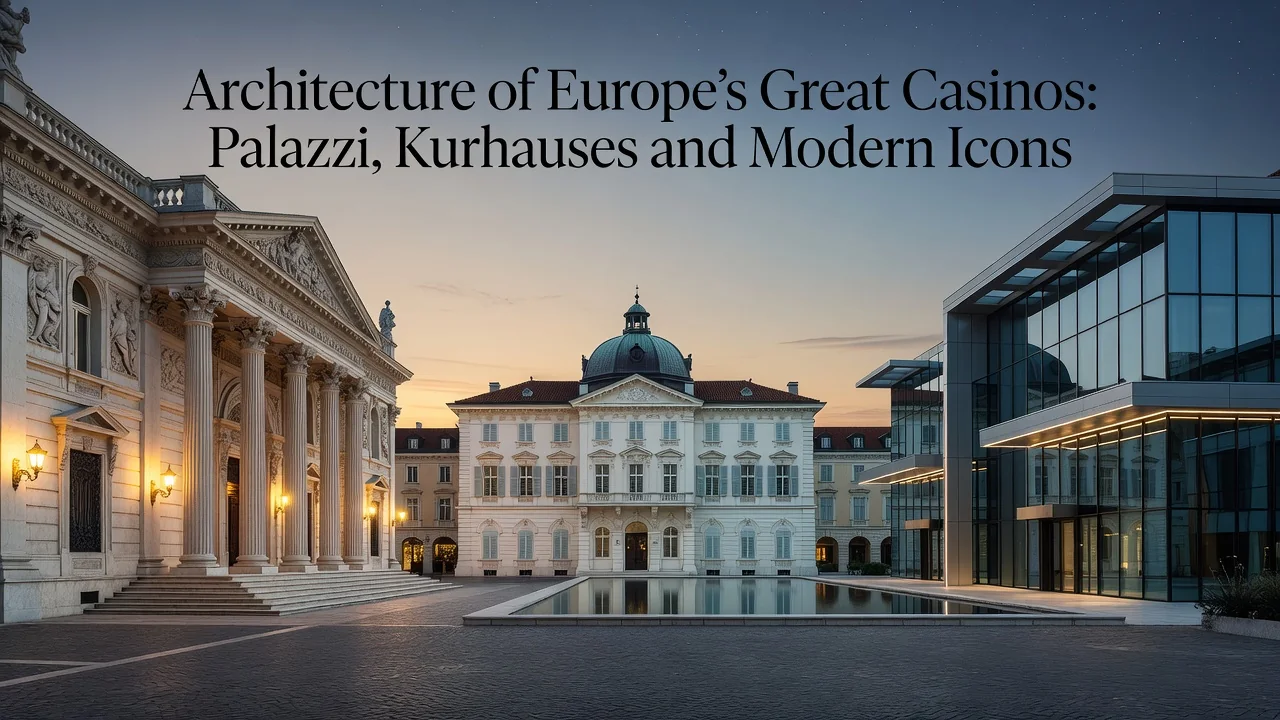
Europe’s casinos are architecture first and gaming floors second. No other gambling region on earth runs its tables inside Belle Époque opera houses, Renaissance palazzi and neoclassical spa temples — buildings that were landmarks decades before the first chip was racked. This is a guided walk through the styles and the stories, from Garnier’s Monte-Carlo to the glass towers of the new century.
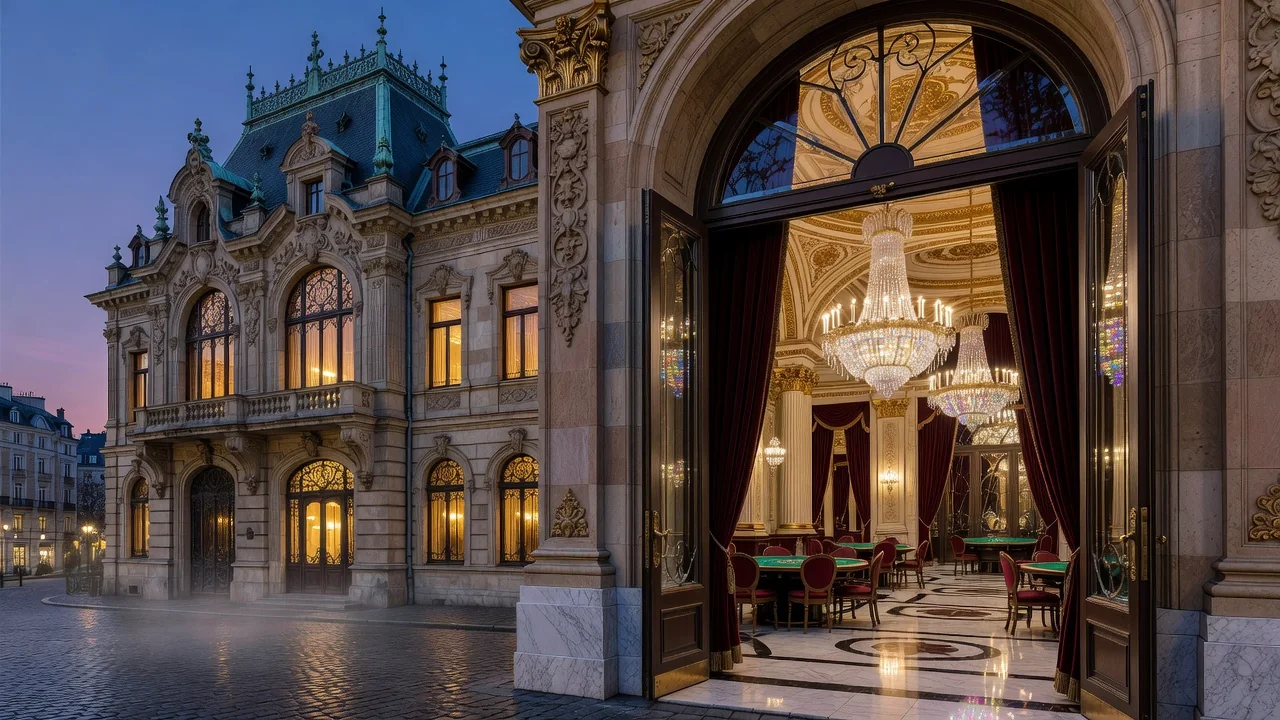
Why does it matter? Because the building shapes the experience: the hush of a chandeliered salon produces different play — and different players — than a windowless slot hall. Europe understood this 150 years before Las Vegas turned it into a design philosophy.
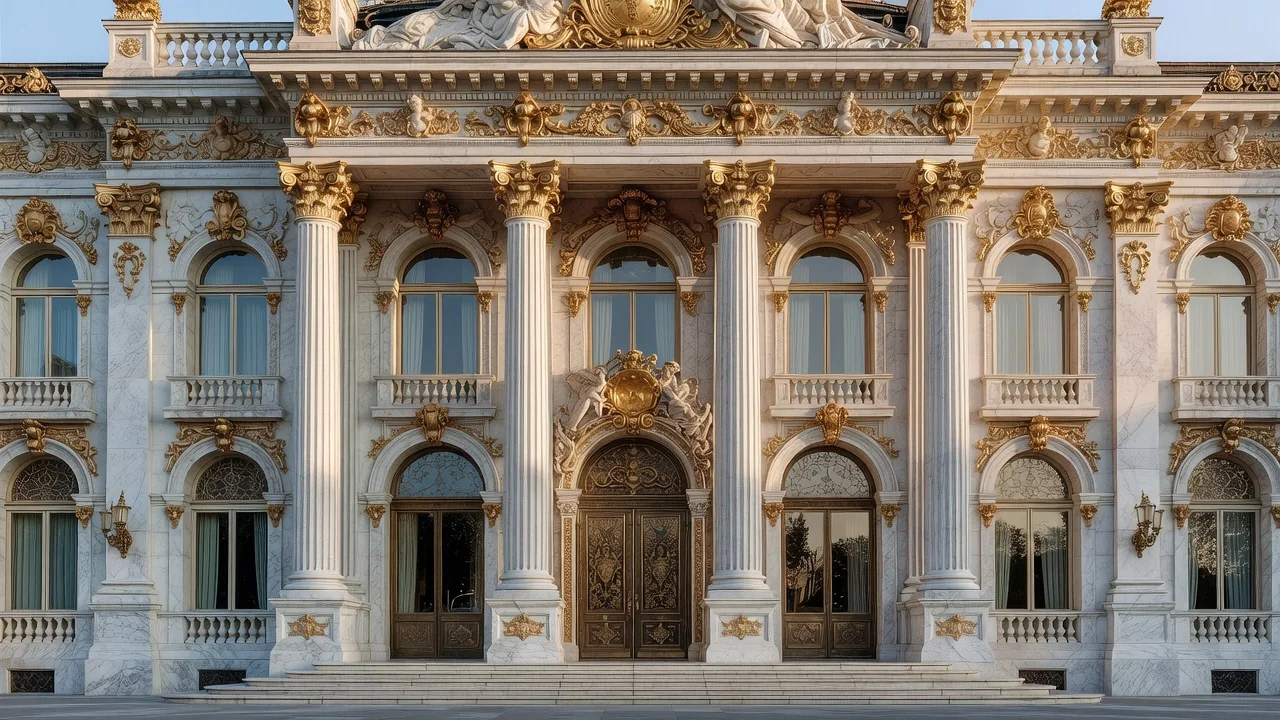
Garnier’s Monte-Carlo: The Casino as Opera House
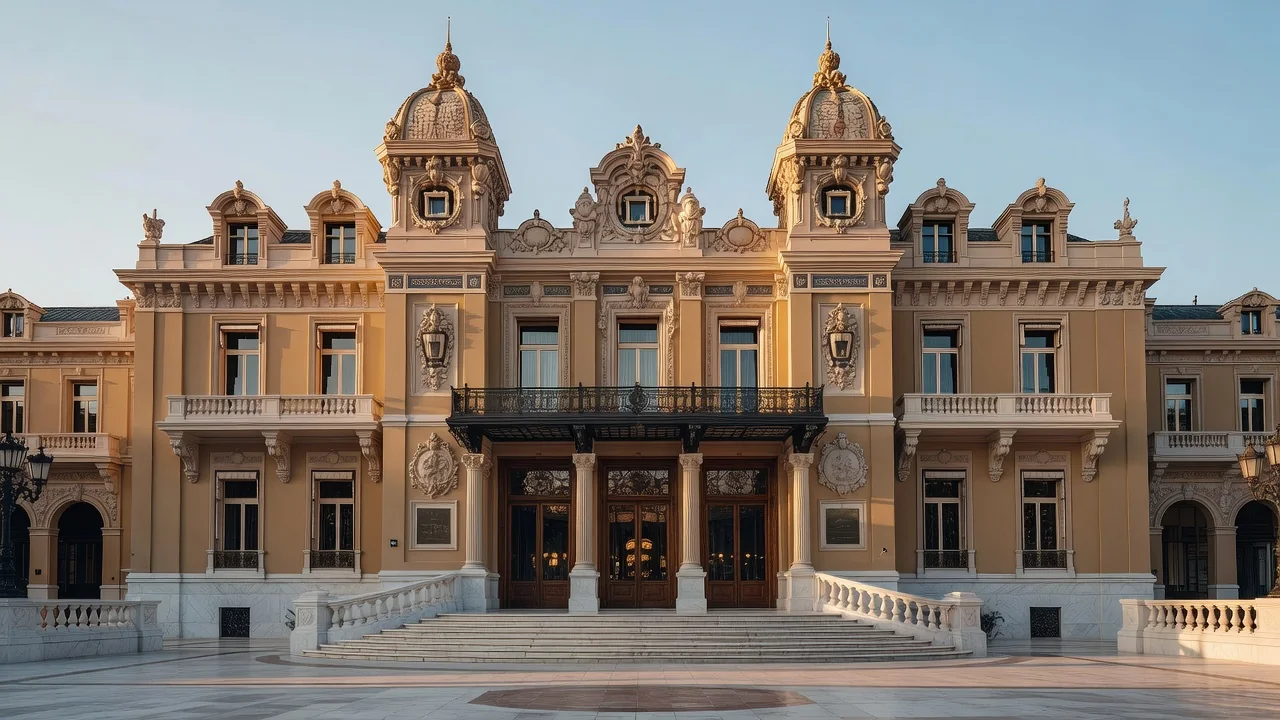
Charles Garnier was fresh from designing the Paris Opera when Princess Caroline’s circle hired him for the new casino on the Plateau des Spélugues. His 1878–79 rebuilding of the Casino de Monte-Carlo gave gambling its definitive image: a sea-facing Belle Époque fantasy of atrium, auditorium and gaming salons, all gilded plaster, marble and ceiling frescoes.
The genius is functional: the atrium builds ceremony, the Salle Garnier opera house legitimises the enterprise as culture, and the private salons ascend in exclusivity the deeper you go. Every “casino entrance” scene in every film since is a Garnier quotation.
The Venetian Palazzo: Gambling in a Renaissance Frame
Ca’ Vendramin Calergi, home of Casino di Venezia, is a Mauro Codussi masterpiece from around 1500 — one of the Grand Canal’s first Renaissance palaces, later the house where Richard Wagner died in 1883. Gaming tables beneath its frescoed ceilings create the strangest, most beautiful cognitive dissonance in European gambling: Renaissance serenity outside, roulette inside.
The palazzo also demonstrates adaptive reuse at its best. The Wagner Museum occupies the composer’s apartments, museum visitors cross paths with evening players, and the water-level entrance makes arrival itself an architectural event.
The German Kursaal: Neoclassicism in Service of the Cure
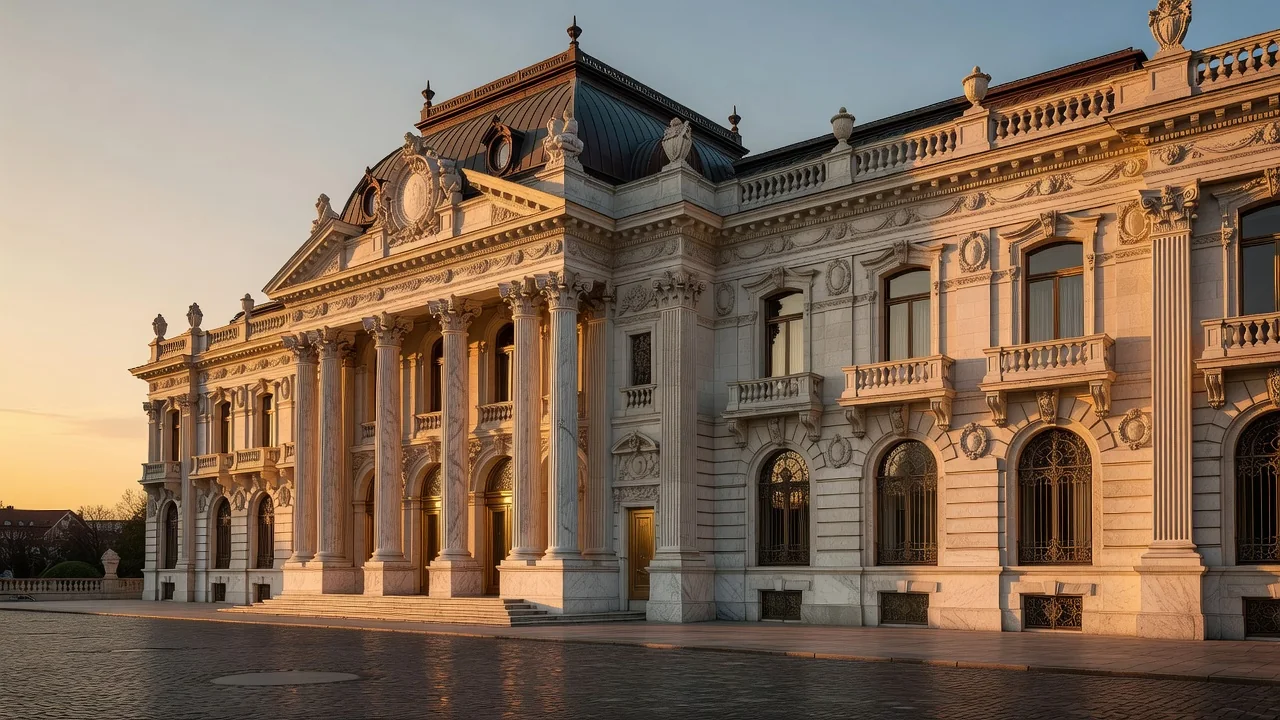
The spa towns built their casinos as Kursaale — “cure halls” — assembly rooms for the wealthy taking the waters. Friedrich Weinbrenner’s Kurhaus at Baden-Baden (1820s, with later interiors by Parisian decorators) set the template: a Corinthian portico, promenade halls, and gaming rooms modelled on French royal palaces to reassure the international clientele.
Casino de Spa predates them all — gaming on the site since 1763, in what is arguably the world’s oldest casino building tradition — and its neoclassical rooms still frame the evening tables. The Kursaal formula — casino as one element of a cultured resort — is Europe’s most exported architectural idea; every “integrated resort” since is its descendant.
| Building | Architect / era | Style | Signature space |
|---|---|---|---|
| Casino de Monte-Carlo | Charles Garnier, 1878–79 | Belle Époque | The atrium and Salle Garnier |
| Ca’ Vendramin Calergi, Venice | Mauro Codussi, c. 1500 | Early Renaissance | Water-level Grand Canal entrance |
| Kurhaus Baden-Baden | Friedrich Weinbrenner, 1820s | Neoclassical | Grosses Spiel salons |
| Casino de Spa | 18th century origins | Neoclassical | Evening gaming salon |
| Casino Estoril | 1931, modernised | Art Deco / modernist | Garden-facing gaming hall |
| Hippodrome, London | Frank Matcham, 1900 | Theatre baroque | The auditorium gaming floor |
Estoril and the Modernist Turn
Casino Estoril (1931) broke with historicism: clean lines, vast glazing and gardens designed for promenade rather than ceremony. It was the casino as modern leisure machine — Europe’s largest gaming floor wrapped in Portuguese modernism — and its wartime role as neutral ground for spies and exiled royalty gave the architecture a cinematic afterlife.
The Matcham Auditorium: London’s Theatrical Conversion
Frank Matcham, the greatest theatre architect Britain produced, built the Hippodrome in 1900 as a circus-variety house. Its 2012 rebirth as the Hippodrome Casino kept the gilded auditorium intact and filled it with gaming floors — the finest example in Europe of a casino inheriting, rather than building, its grandeur.
The New Century: Glass, Poker Palaces and Adaptive Reuse
The 21st century added two new typologies. First, the contemporary glass casino — Barcelona’s Port Olímpic venue beneath Ricardo Bofill’s twin towers, where Casino de Barcelona pairs Mediterranean views with tournament poker. Second, the purpose-built border resort: King’s Resort in Rozvadov, unapologetically functional outside and casino-cathedral within, designed around the largest poker room in Europe.
Reading a Casino Like an Architect
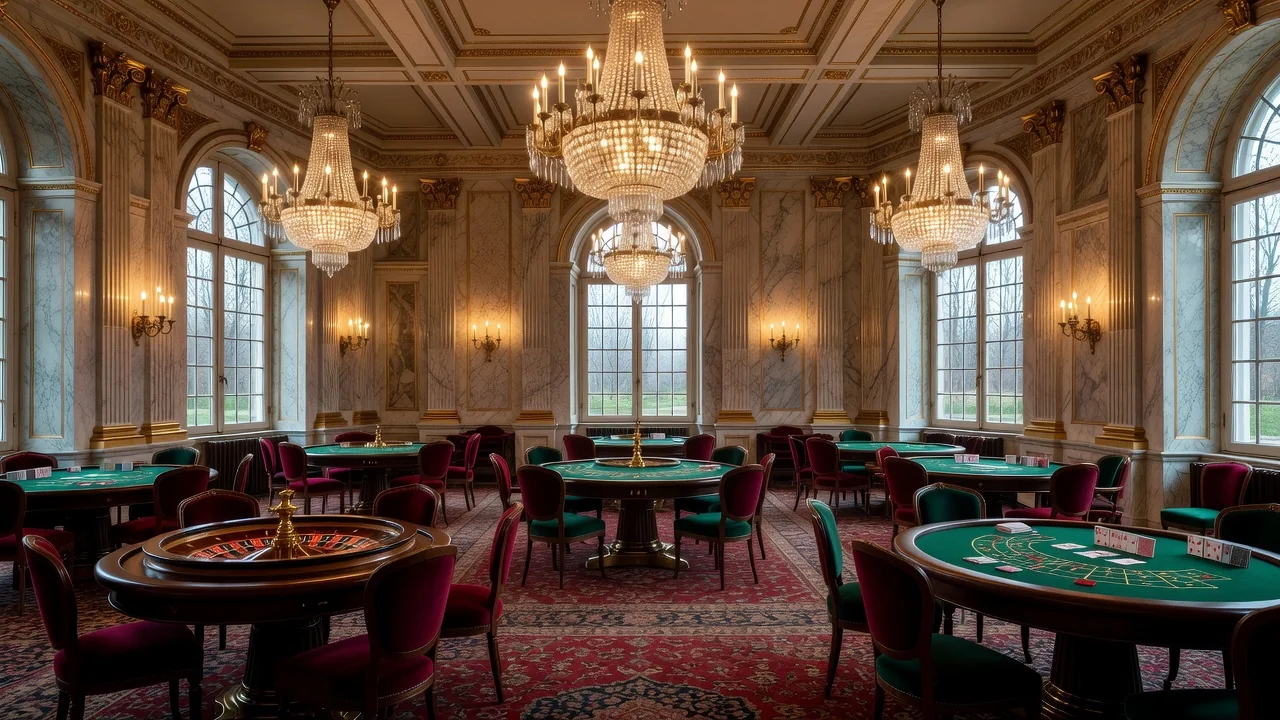
- Entrance sequence: the longer and more ceremonial the approach, the older the philosophy — Monte-Carlo’s atrium versus Estoril’s open doors.
- Ceiling height: high ceilings signal table-game heritage; compressed, low floors were built for machines.
- Windows: historic European houses keep them (and the views); modern gaming floors abolish them deliberately.
- The non-gaming rooms: restaurants, theatres and museums reveal what the house wants to be besides a casino.
Where to Start Your Own Tour
Begin with the pair that bracket the tradition: Monte-Carlo for Garnier’s theatre of exclusivity, then Estoril for the modernist correction — the Riviera in two architectural dialects. Our most photogenic casinos feature maps the camera angles, the 2026 travel guide handles the logistics, and before entering any of these landmark interiors, check the current terms — several historic rooms now sell timed visits and guided tours that sell out weeks ahead.