Home > Western and Southern European Casino Treasures > Genting Casino in London’s Trocadero: why the project could become the biggest opening of 2026
Genting Casino in London’s Trocadero: why the project could become the biggest opening of 2026

Genting Casino in London’s Trocadero: why the project could become the biggest opening of 2026

The Trocadero has always been more than a building. For generations of Londoners, tourists and West End regulars, it has carried the atmosphere of a place built for spectacle: restaurants, cinemas, arcades, bright entrances, late nights and the constant movement of people between Piccadilly Circus, Leicester Square and Shaftesbury Avenue. Its best years were never quiet years. The Trocadero worked when it felt alive.

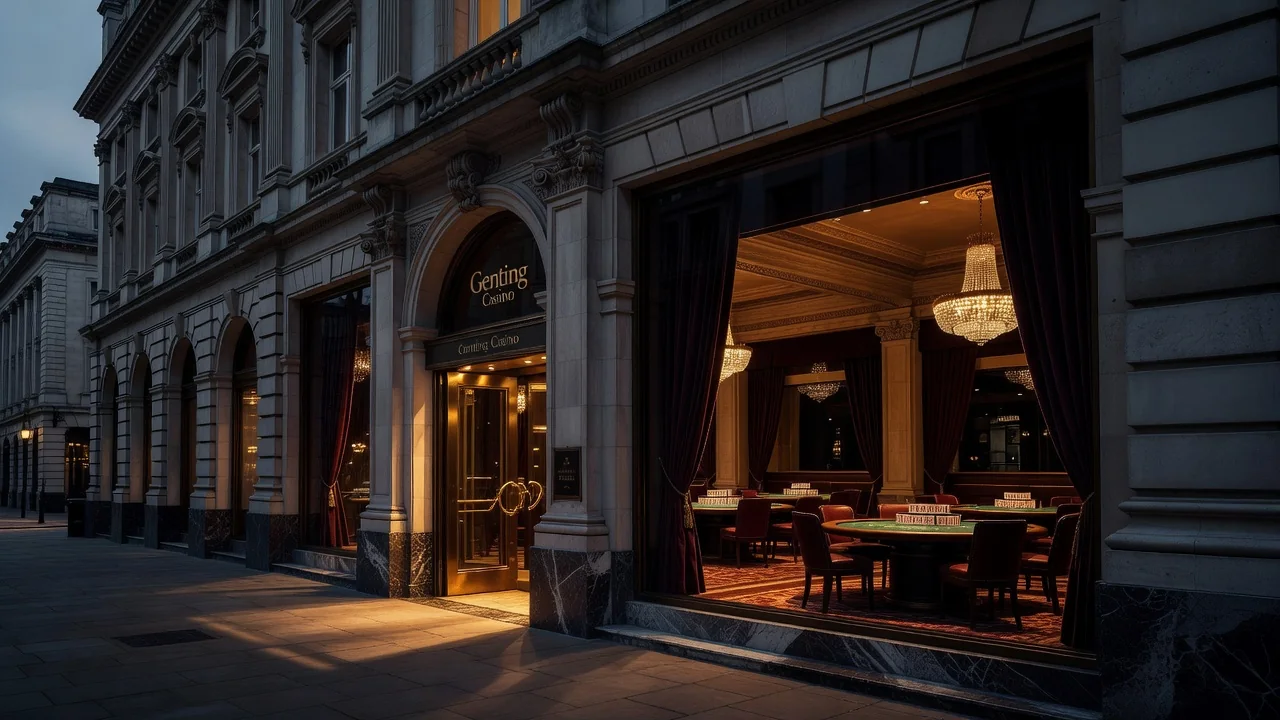
That is why Genting’s planned casino and leisure venue inside the London Trocadero matters beyond the casino sector. If the project opens as expected in 2026, it will not simply add another gambling venue to central London. It could restore a dormant part of one of the city’s most recognisable entertainment addresses and give the West End a new anchor at a time when physical leisure has to work harder than ever to compete with online habits, high costs and changing visitor behaviour.

The project has the ingredients of a major London opening: a famous site, a global casino operator, a large-scale retrofit, a hospitality-led offer, a late-night location and a story that connects nostalgia with modern entertainment. Its success will depend on execution, licensing, design, crowd management and whether Genting can make the venue feel premium without losing the public energy that made the Trocadero memorable in the first place.

A landmark with unfinished business

Genting Casino Trocadero: London’s 2026 bet

The London Trocadero sits in a part of the city where almost every corner has a memory attached to it. Coventry Street is not a hidden location waiting to be discovered. It is one of the busiest stretches of the West End, linking tourist movement, theatre footfall, nightlife and everyday London traffic. A project here does not need to create a destination from nothing. It needs to give people a reason to stop, enter and stay.

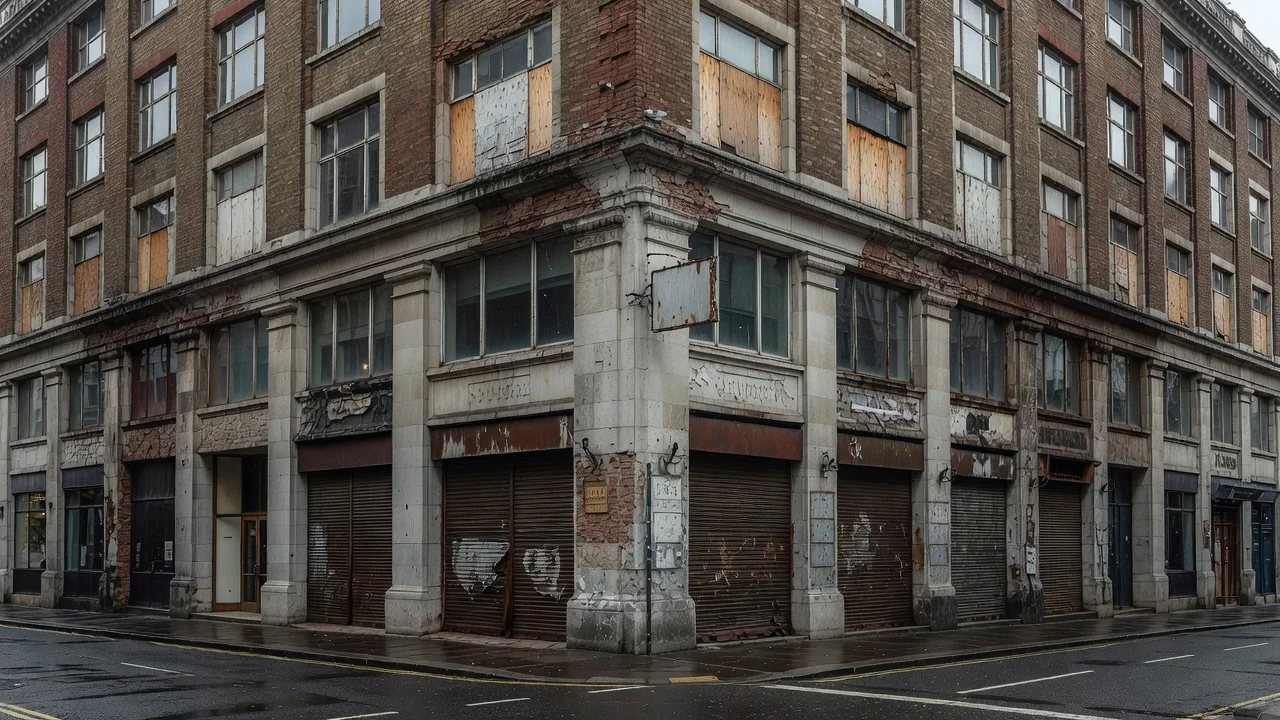
The building’s history gives Genting a strong foundation, but also a difficult brief. The Trocadero has been a grand restaurant, an entertainment complex, a cinema-linked destination, an arcade attraction and a symbol of 1990s leisure culture through SegaWorld and Funland. Many visitors still remember the noise, colour and scale of that era. Others know the building more as a fading landmark that never fully found a stable role in the modern West End.

That gap between memory and current use is exactly what makes the casino proposal interesting. London has many historic buildings, but not every historic building has a natural connection to leisure. The Trocadero does. It was not designed in the public imagination as a quiet office block or a discreet private club. It belongs to the tradition of bright entrances, evening movement and entertainment under one roof.

A casino can fit that identity if it is handled carefully. The challenge is that the word “casino” carries different meanings for different people. For some, it suggests glamour, hospitality and late-night socialising. For others, it raises concerns about gambling harm, crowds, safety and the pressure already placed on the West End at night. Genting’s task is not only to build a gaming floor. It must show that the venue can operate as a managed, controlled and high-quality leisure space rather than a noisy addition to an already intense area.

The Trocadero also has unfinished business because parts of the building have felt underused for years. In central London, empty or poorly activated space is rarely neutral. It affects street life, neighbouring businesses and the mood of an area. A strong redevelopment can help a landmark feel relevant again, especially when it brings back uses connected to dining, hospitality and evening culture. The best version of the Genting project would not erase the Trocadero’s past. It would make that past legible again in a modern form.

Why the location gives Genting an unusual advantage

The West End is a hard place to operate, but it is also one of the few locations in Britain where a large casino-led venue can feel natural. The surrounding area already works late. It already attracts visitors who expect entertainment, food, theatre, bars, hotels and bright public streets. A casino in this setting does not need to persuade people to travel to an unfamiliar zone. It has to compete for attention in a place where attention is already concentrated.

Piccadilly Circus and Leicester Square create a rare kind of visitor flow. Tourists arrive with loose plans, theatre audiences look for somewhere before or after a show, hotel guests want evening options close by, and Londoners often use the area as a meeting point even when they do not stay there all night. That mix is useful for a casino because the venue can attract several types of customer rather than relying on one narrow audience.

Genting’s advantage is not just visibility. It is timing. Traditional casinos have been under pressure from online gambling, mobile-first entertainment and changing social habits. A new physical venue therefore has to offer something that a screen cannot: atmosphere, service, design, food, people-watching, occasion and the feeling of being somewhere. The Trocadero gives Genting a stage on which those qualities can be amplified.

Location also allows the project to benefit from a broader West End recovery story. Central London has spent recent years adjusting to changes in working patterns, tourism flows, hospitality costs and night-time regulation. Venues that can keep people in the area for longer, support jobs and bring unused space back into operation are likely to attract attention from businesses around them. A successful casino and leisure venue could increase dwell time, especially in the later evening, when restaurants, hotels and transport routes all depend on steady movement rather than short bursts of footfall.

The strongest commercial argument for the Trocadero project is that it does not look like a standalone casino placed randomly inside a historic shell. At least on paper, it appears to be a leisure-led redevelopment with gaming at its centre and hospitality around it. That distinction matters. Modern customers often want flexible evenings rather than a single-purpose night out. They may come for a drink, stay for dinner, watch others play, join a table later or treat the venue as part of a wider West End route.

Several factors could make the location especially powerful for Genting:

• The building is already recognised by many Londoners and international visitors.

• The surrounding streets have strong evening and tourist footfall.

• Nearby theatres, hotels and restaurants create natural pre- and post-event demand.

• The Trocadero’s leisure history makes an entertainment use easier to understand.

• A large-scale retrofit can feel more distinctive than a generic new-build venue.

These advantages do not guarantee success. High footfall can also mean higher scrutiny, stronger objections and more pressure on security. Yet few casino projects in the UK have a location with this level of immediate public recognition. Genting is not trying to put a pin on the map. The pin is already there.

What the project is expected to bring

The planned Genting venue has been described as a significant redevelopment of unused space within the Trocadero, with a casino, restaurants, bars and support facilities across multiple levels. The reported figures are large enough to make the project one of the most closely watched UK casino openings of 2026, but not so large that the concept becomes unrealistic for the building. Its appeal lies in the combination of scale and focus.

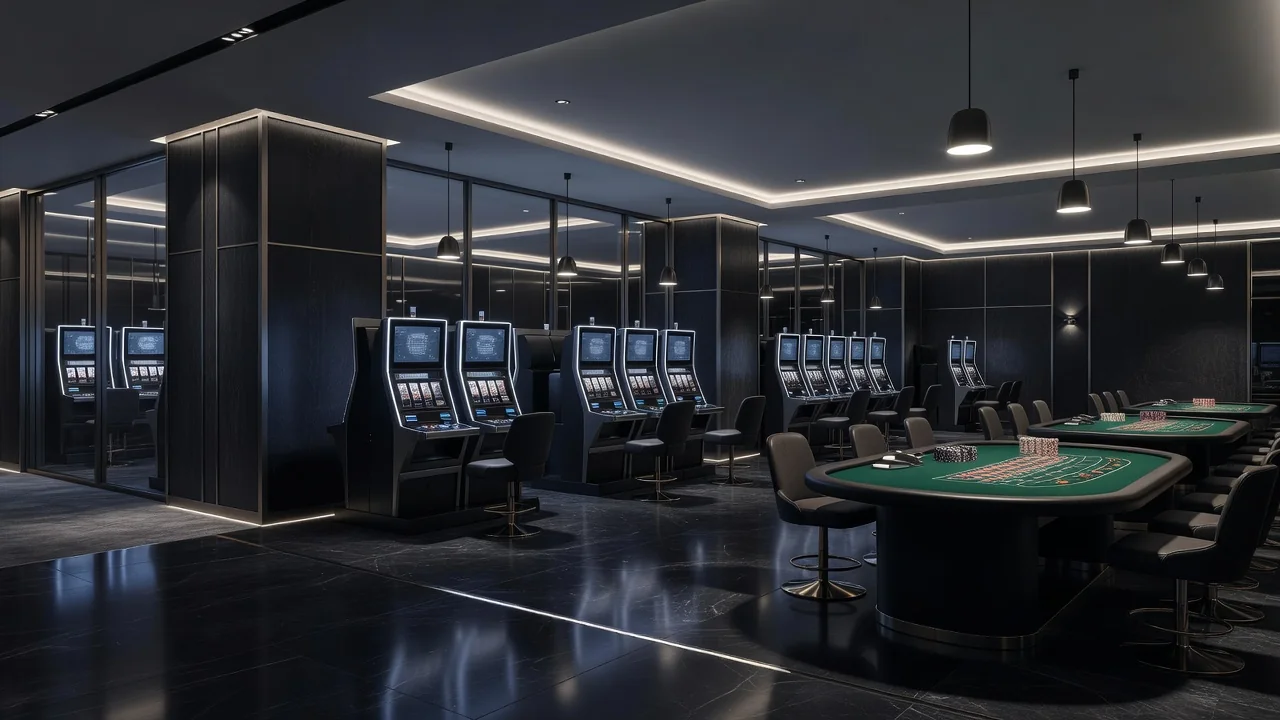
A gaming floor of up to 16,000 square feet would give Genting enough room to create a serious central London casino rather than a token gambling area attached to a bar. The broader redevelopment of around 37,000 square feet suggests a venue that can include hospitality, staff areas, guest facilities and the operational infrastructure required for a 24-hour or late-night environment. The reported capacity of up to 1,250 people also places the project in a category where crowd management, entry control and internal flow become central to the customer experience.

The following snapshot shows why the project has attracted attention before opening.

Project elementReported planWhy it matters
LocationLondon Trocadero, Coventry StreetPlaces the venue between Piccadilly Circus, Leicester Square and the theatre district
Opening targetOctober 2026Positions the project as a major West End leisure launch for 2026
Redeveloped spaceAround 37,000 sq ftGives the venue enough scale for gaming, dining, bars and support facilities
Gaming floorUp to 16,000 sq ftAllows a substantial casino offer rather than a small add-on
CapacityUp to 1,250 guestsCreates destination potential but raises the importance of security and dispersal
InvestmentAround £40 millionSignals a serious refurbishment rather than a light cosmetic reopening
JobsUp to 350 rolesAdds an economic argument around employment and training

These numbers explain the excitement, but the real test will be how the space feels. A large casino can still disappoint if it lacks atmosphere, if the restaurant feels secondary, if access is awkward or if the design ignores the character of the building. The Trocadero needs more than expensive finishes. It needs rhythm: an entrance that feels inviting, public-facing elements that improve Coventry Street, interior spaces that guide visitors naturally and a hospitality offer strong enough to attract people who are not purely gaming-focused.

The restaurant and bar elements may be especially important. In today’s market, a casino that relies only on gambling risks narrowing its audience. A venue that combines gaming with dining, late-night drinks, private spaces and polished service can become part of a broader night out. That is how the project could reach customers aged beyond the traditional casino regular: couples in the West End after a show, international visitors staying nearby, groups looking for a controlled late-night setting and experienced players who want a more central and premium option.

Genting also has brand experience on its side. The company already operates casinos in the UK and understands the regulatory, staffing and operational demands of the market. That does not remove the difficulty of launching inside the Trocadero, but it lowers the risk of the project being treated as a simple property play. A casino in this location needs an operator that can manage gaming, compliance, hospitality and reputation at the same time.

Why 2026 could be the right moment

A major physical casino opening in 2026 may sound almost old-fashioned at first glance. Gambling has moved heavily online, entertainment discovery is shaped by phones, and many consumers now prefer flexible, low-friction leisure. Yet that is exactly why a venue like the Genting Trocadero could stand out. The more ordinary digital entertainment becomes, the more valuable distinctive physical experiences can feel.

London’s strongest leisure venues are not surviving because they imitate apps. They survive because they offer presence. People still pay for theatre, concerts, restaurants, members’ clubs, rooftop bars and immersive attractions because those experiences create memory. A casino inside the Trocadero has the potential to sit in that same category if it is positioned as an evening destination rather than a simple room of tables and machines.

The timing also works because the West End is still reshaping itself. Areas around Leicester Square and Piccadilly Circus have long mixed high culture, mass tourism, nightlife and commercial entertainment. That mix can look chaotic, but it is also what gives the district its resilience. A carefully run casino could add a more adult, premium layer to a part of London often criticised for being too tourist-heavy or too dependent on quick-spend attractions.

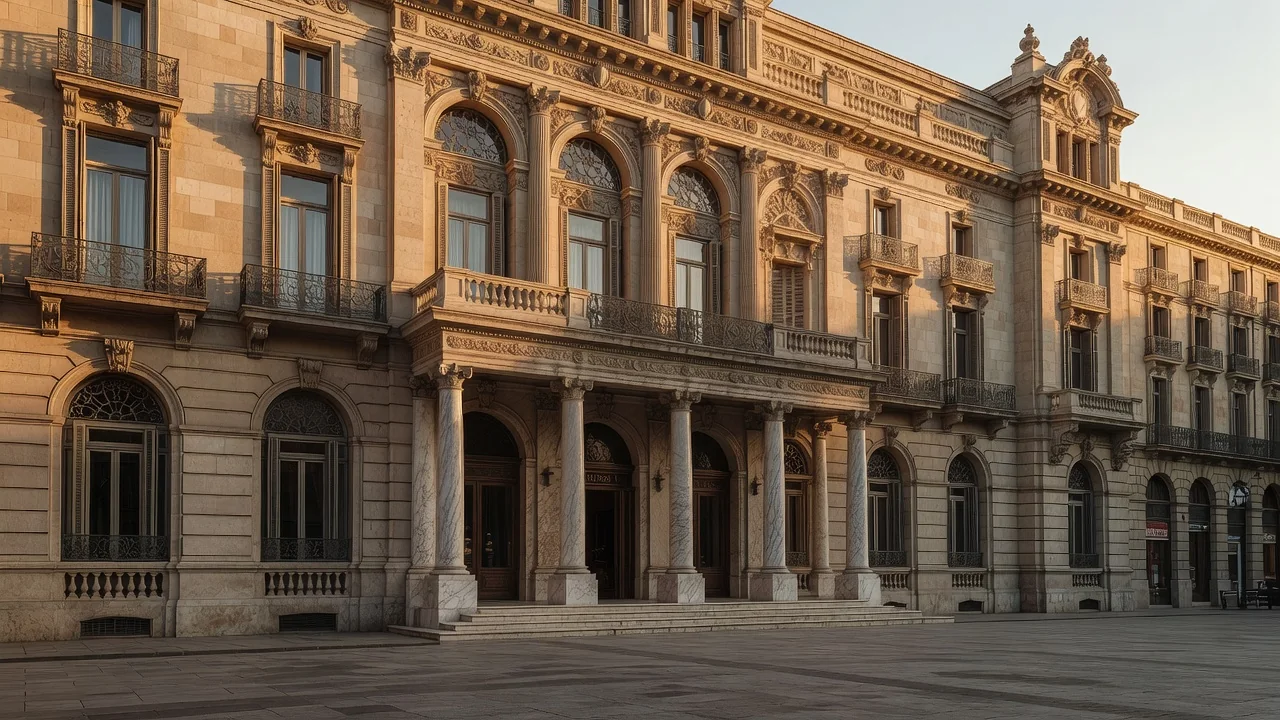
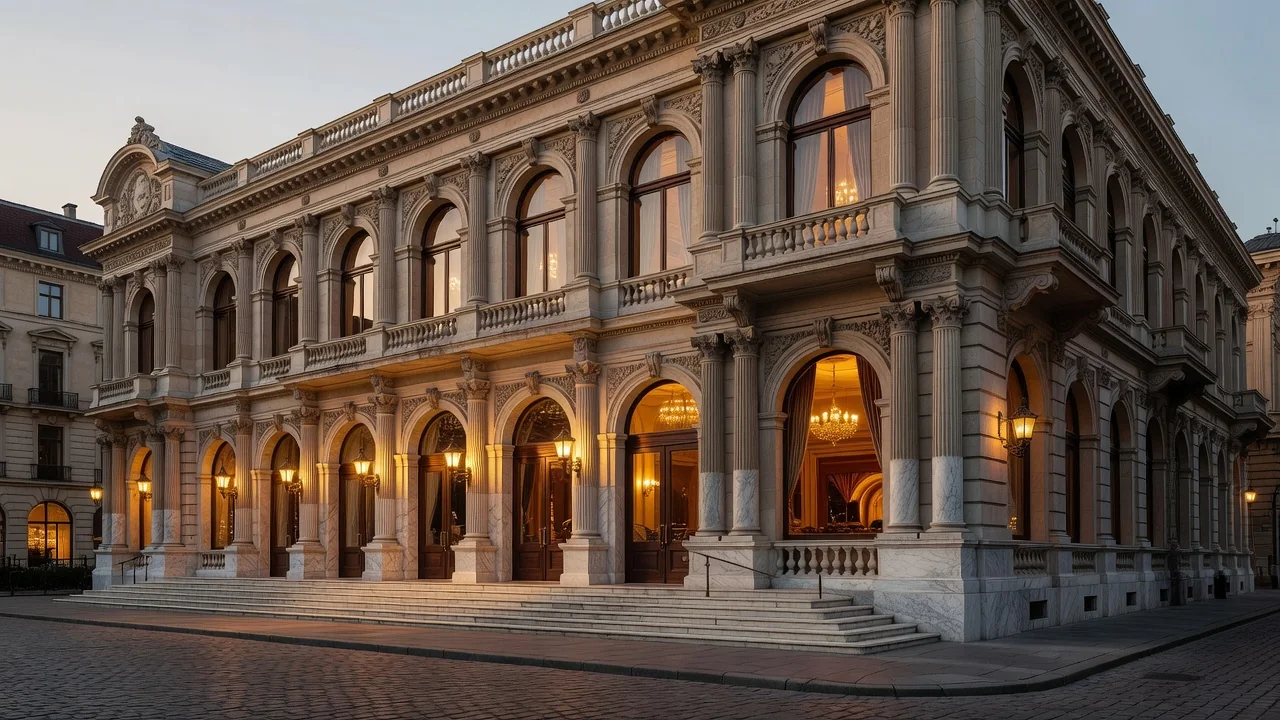
The project’s Grade II-listed setting also reflects a wider trend in urban leisure: reusing historic buildings instead of relying only on new construction. Retrofit projects carry complications, especially around preservation, planning and cost, but they can produce venues with more character than standard developments. The Trocadero’s façades and historic associations give Genting a story that a newly built casino in a retail unit could never match.

The strongest openings of 2026 will likely be the ones that understand how people actually use cities now. Visitors do not always separate gambling, dining, sightseeing and nightlife into neat categories. A tourist might visit Piccadilly Circus, eat nearby, see a show, enter the casino for drinks and gaming, then return to a hotel within walking distance. A Londoner might use the venue as a late-night meeting place because it is central, managed and open when other options become limited. A serious player might value the location because it is easier to reach than a more discreet venue elsewhere.

That flexibility is the reason the Trocadero project could become more than a casino launch. It could become a test of whether large-scale gaming venues can still feel relevant in a mature, regulated and digitally saturated market. If Genting gets the balance right, the venue may appeal not only to gamblers but to people looking for a polished West End night with a sense of occasion.

The risks Genting must manage carefully

The project’s strengths are also the source of its risks. A casino in the Trocadero will be visible, symbolic and closely watched. It will operate in an area where residents, police, licensing authorities, businesses and campaign groups already pay close attention to late-night activity. Genting will need to prove through daily operations that the venue is safe, responsible and compatible with the surrounding streets.

The most obvious issue is gambling responsibility. A major casino cannot rely on glamour while treating safer gambling as a footnote. Staff training, customer monitoring, clear intervention procedures, age controls and transparent standards must be built into the venue’s culture. In a location with heavy tourist traffic, the operator will also need to account for customers who may not know the UK market well or who treat the West End as a place where normal spending limits loosen.

Security is another major test. The surrounding area is busy, sometimes crowded and active late into the night. A venue with substantial capacity must avoid creating sudden pressure at entrances and exits. Good casino operations can help here because customers tend to arrive and leave in more staggered patterns than nightclub crowds. Even so, door management, surveillance, transport awareness and cooperation with local authorities will shape public perception.

The project also has to avoid becoming too closed-off. A casino cannot be fully open in the way a shopping arcade once was, because gaming requires controlled entry. Yet the building’s relationship with the street still matters. If the public-facing design feels blank or defensive, the redevelopment may look like a private use occupying a famous public landmark. If the entrance, signage and hospitality elements feel attractive and well managed, the project can improve the street without pretending to be a general shopping centre.

There is also the question of audience. Genting appears to be aiming for a mature, quality-led customer base rather than a purely volume-driven crowd. That is sensible, but it has to be reflected in pricing, service, food, music, dress expectations, staffing and room design. A premium promise can collapse quickly if the experience feels generic. The Trocadero name creates expectation. People will want a venue that feels worthy of the address.

Local concerns should not be dismissed as resistance to change. The West End carries real pressures: noise, congestion, antisocial behaviour, licensing density and the constant tension between visitor economy and residential life. A strong operator will treat those concerns as design problems to solve, not obstacles to talk around. If Genting can show that the venue reduces vacancy, creates jobs and manages late-night activity better than previous uses, the project’s public argument becomes stronger.

Conclusion: why it could define the West End in 2026

The Genting Casino at the London Trocadero could become the biggest opening of 2026 because it combines scale, nostalgia, location and timing in a way few leisure projects can match. It is not just another venue looking for attention in central London. It is a proposed revival of a building that already lives in the city’s entertainment memory.

The project has clear commercial logic. It brings unused space back into operation, places a substantial casino floor in one of London’s busiest leisure zones, adds restaurants and bars, creates employment and gives Genting a flagship opportunity in the capital. It also has emotional logic. Many people want the Trocadero to feel alive again, even if they have different views on what the building should become.

Its final reputation will depend on details that are easy to underestimate before opening. The entrance must work. The gaming floor must feel confident. The restaurant must be more than an accessory. The security operation must be calm and visible without feeling heavy. The design must respect the building without turning heritage into decoration. The venue must attract visitors without overwhelming its neighbours.

If those pieces come together, the Trocadero could regain a role it has been missing for years: a central London place people talk about, visit, remember and return to. Genting has the chance to turn a famous but underused landmark into a modern West End leisure destination. That is why the project has the potential to be not only a casino opening, but one of London’s defining entertainment stories of 2026.