
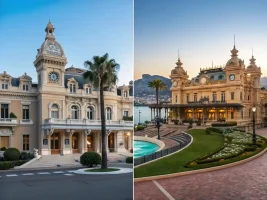
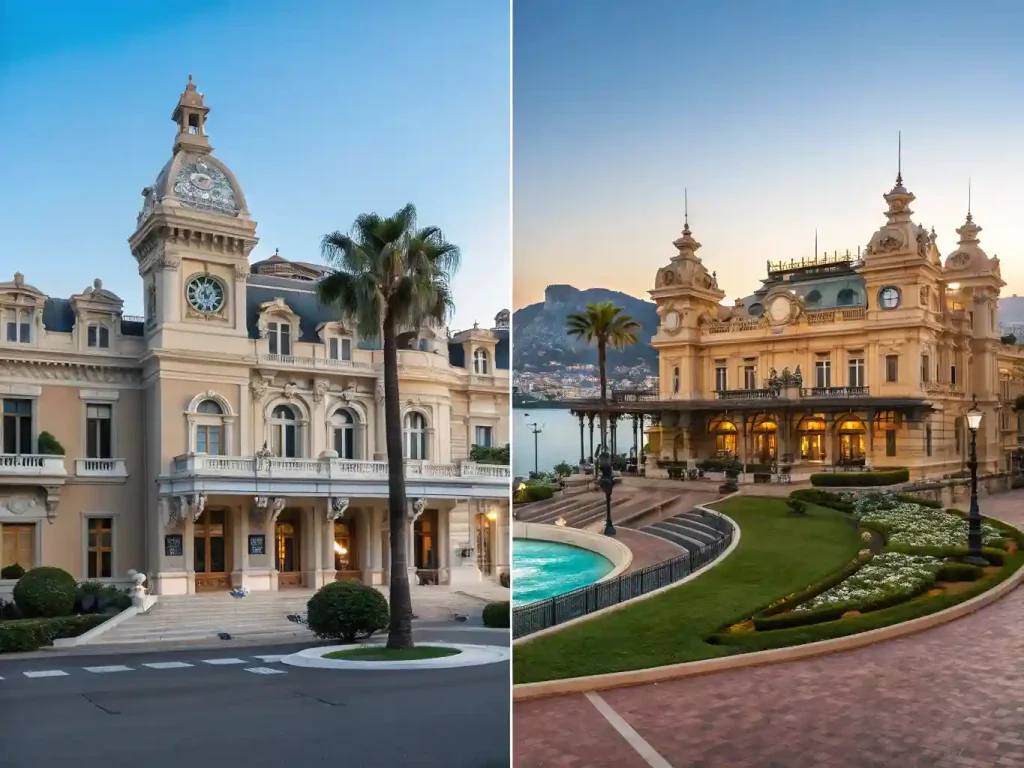
Casino de Monte-Carlo has long been more than a gaming room with chandeliers. It is one of the few gambling venues in the world whose name carries the weight of a destination, a social code, an architectural image and a cultural myth. For many visitors, Monte Carlo still represents the old European idea of luxury: evening dress, ritual, discretion, marble staircases, sea views and a sense that the casino is part of a wider civic theatre rather than a standalone entertainment product.
Yet Europe’s casino market has changed sharply. New casino-resorts are not trying to copy Monte Carlo room by room. They are building integrated destinations with hotels, arenas, restaurants, pools, retail, conventions, wellness zones and large-scale entertainment calendars. Their logic is different: the casino is no longer the only magnet. It becomes one element inside a complete leisure machine.
That contrast raises a serious question. Does Casino de Monte-Carlo still define the European standard, or have the new casino-resorts taken the lead by offering more flexible, more complete and more commercially modern experiences? The answer is not simple, because the two models set standards in different ways.
Heritage as a living standard
Casino de Monte-Carlo’s strongest advantage is not size, technology or the number of gaming positions. Its advantage is memory. Many casinos can build a luxury lobby, commission art, add fine dining and train staff to deliver polished service. Very few can offer a setting where the building itself has become part of European cultural imagination.
Monte Carlo does not need to explain why it matters. The story is already present in the façade, the salons, the approach through Casino Square and the relationship with the Hôtel de Paris, the Café de Paris, the opera house and the wider Société des Bains de Mer ecosystem. A guest does not simply enter a casino; they enter a place that has been coded over generations as a symbol of Riviera glamour.
That heritage creates a standard that newer resorts cannot easily buy. They can invest more money, build larger hotels and design dramatic interiors, but time cannot be accelerated. Monte Carlo’s appeal rests on accumulated reputation. It has been shaped by aristocracy, cinema, literature, Formula 1 weekends, high society rituals and the mythology of discreet wealth. Even people who have never played roulette know what Monte Carlo means.
This matters because luxury is not only about comfort. It is about credibility. A new resort may be impressive, but it must still persuade the guest that its glamour is authentic. Casino de Monte-Carlo begins with that belief already established. The guest arrives expecting something exceptional, and the venue benefits from that emotional preparation.
At the same time, heritage is not a guarantee of future leadership. A historic casino can become a museum if it stops responding to contemporary expectations. Modern guests want atmosphere, but they also want smooth service, strong food and beverage options, digital convenience, entertainment variety and reasons to stay beyond the gaming floor. Monte Carlo remains powerful because it has not allowed the casino to stand alone. It is surrounded by hotels, restaurants, spas, clubs, cultural venues and seasonal events that keep the destination alive.
The result is a rare balance. Casino de Monte-Carlo sets the European standard for symbolic luxury. It shows that a casino can be a cultural landmark rather than a commercial box. Its lesson is clear: the most valuable gaming destinations are not built only around games, but around identity.
New casino-resorts and the integrated model
The new generation of European casino-resorts is built on a different belief: the guest should not need to leave the property to feel that the trip is complete. This model has been developed strongly in Asia and North America, but Europe has begun adapting it to its own tourism markets.
City of Dreams Mediterranean in Cyprus is the clearest example. It positions itself not merely as a casino, but as a resort combining gaming, hotel stays, restaurants, entertainment and events. The appeal is broad. A couple may come for a luxury weekend, a group may come for a celebration, a company may book meetings, and only part of that audience may treat gaming as the main reason for travel.
That is the major shift. Casino de Monte-Carlo carries prestige through concentration. New casino-resorts create appeal through range. They are designed to capture more hours of the guest’s day and more types of spending. A visitor can move from breakfast to a pool area, from a conference room to a restaurant, from a live show to the gaming floor, from a spa treatment to a late-night bar. The casino is integrated into a larger journey.
This model has commercial strength because it reduces dependence on traditional gambling. European regulation, changing visitor habits and the rise of online gaming mean land-based casinos cannot assume that table games alone will drive the future. A resort with multiple revenue streams is more resilient. It can attract families, business travellers, entertainment seekers, wellness guests and food-focused visitors, while still serving high-value players.
The integrated model also changes expectations around scale. Modern guests often compare casino-resorts not only with other casinos, but with luxury hotels, cruise ships, beach clubs, shopping districts and event venues. They expect a complete environment. In that sense, newer resorts are pushing Europe toward a more diversified standard.
The upcoming Hard Rock Hotel & Casino Athens project shows how far this thinking can go. It is planned as part of a major redevelopment vision and is expected to combine gaming with hotel accommodation, entertainment, meetings, dining, retail and leisure facilities. Its ambition is not to become a quiet traditional casino. It is designed to act as an urban resort and tourism engine.
That is where new casino-resorts challenge Monte Carlo most directly. They are not trying to beat it at old-world elegance. They are setting standards for volume, flexibility, programming and mixed-use hospitality. They suggest that the European casino of the future may need to be less dependent on formal glamour and more capable of serving different moods throughout the day.
Service, atmosphere and the meaning of luxury
The difference between Monte Carlo and newer casino-resorts becomes especially clear when looking at service and atmosphere. Both models use the language of luxury, but they do not always mean the same thing.
At Casino de Monte-Carlo, luxury is ceremonial. The experience depends on rhythm, restraint and a sense of occasion. The building encourages visitors to behave differently from how they might behave in a hotel casino attached to a large resort. There is an implied etiquette. Even casual visitors often feel that they are entering a room with its own rules, history and emotional temperature.
This kind of luxury is difficult to scale. It depends on details that cannot be reduced to amenities: the way guests are greeted, the silence between tables, the visual drama of the rooms, the presence of serious players, the feeling that one is participating in a tradition. For some guests, this is exactly what makes Monte Carlo unmatched. For others, it may feel formal, expensive or less relaxed than newer destinations.
New casino-resorts usually define luxury through convenience and abundance. They offer many choices under one roof. The guest does not need to plan every movement carefully because the property provides options at different price points and energy levels. A resort can feel glamorous at night, casual by the pool during the day and businesslike in its meeting spaces. The experience is less ceremonial but often more adaptable.
This adaptability is highly attractive to modern travellers. Many people no longer want luxury to feel stiff. They want comfort without intimidation, premium service without excessive formality, good design without a dress-code atmosphere in every room. New resorts understand this and create spaces where different types of guests can feel at ease.
Still, abundance can weaken identity. A resort that tries to offer everything risks becoming impressive but interchangeable. Many modern luxury properties share similar features: polished stone, designer lighting, international restaurants, branded spas, rooftop bars and event halls. Without a strong story, the experience can feel expensive rather than memorable.
Monte Carlo’s strength is the opposite. It does not need to offer every possible leisure format to remain distinctive. Its identity is sharp. The challenge for newer resorts is to build the same emotional clarity while operating at greater scale. The best of them will not simply add more facilities; they will create a destination language that guests remember after they leave.
The contrast can be seen more clearly through the main standards each model represents.
| Standard | Casino de Monte-Carlo | New casino-resorts |
|---|---|---|
| Core appeal | Heritage, prestige and symbolic glamour | Complete leisure, entertainment and hospitality mix |
| Guest experience | Formal, atmospheric and destination-led | Flexible, all-day and multi-purpose |
| Strength | Cultural identity and timeless recognition | Scale, variety and commercial resilience |
| Main risk | Feeling too traditional for some younger guests | Feeling generic if the resort lacks a strong story |
| European influence | Defines the classic luxury casino image | Defines the modern integrated resort direction |
This comparison shows that the competition is not only about which property is better. It is about which idea of the casino is more relevant. Monte Carlo protects the old European belief that a casino can be a grand social institution. New resorts promote the newer belief that a casino should be part of a larger lifestyle ecosystem. Both ideas are strong, but they serve different expectations.
Architecture, destination power and urban influence
A casino’s influence is not limited to what happens inside the gaming rooms. The strongest casino destinations shape the area around them. They influence hotel demand, restaurant culture, nightlife, transport patterns, property values and the image of the city or region.
Casino de Monte-Carlo is a classic example of destination-making. Monte Carlo’s identity is inseparable from the casino and the hospitality network around it. Casino Square functions almost like a stage. The surrounding hotels, terraces, luxury boutiques and cars are part of the spectacle. The guest experience begins before entering the building and continues after leaving it.
This is one reason Monte Carlo still sets a high standard. It demonstrates that a casino can anchor a whole district. The casino is not hidden at the edge of town or buried inside a shopping complex. It sits at the symbolic centre of the destination. Its architecture gives the place a recognizable image, and that image supports tourism far beyond gambling.
New casino-resorts approach destination power differently. They often act as catalysts for development. A resort may bring investment to a coastal zone, an urban redevelopment area or a tourism region that wants to expand its international profile. The property is planned not only as a gaming venue but as an economic engine.
City of Dreams Mediterranean gives Cyprus a resort product with a stronger international casino identity than the island previously had. Hard Rock Hotel & Casino Athens is tied to a much broader redevelopment ambition at The Ellinikon, where hospitality, entertainment, retail, residences and public spaces are intended to create a new destination layer for Athens. These projects show how the modern casino-resort can be used as part of a national or city-level tourism strategy.
Architecture plays a central role in both models, but again the language differs. Monte Carlo’s architecture communicates permanence. It tells guests that the institution existed before them and will exist after them. The pleasure comes from stepping into something established.
New resorts often communicate ambition. Their buildings are designed to signal arrival, investment and transformation. They must make an immediate statement because they do not have a century of inherited reputation. Their architecture needs to be photogenic, functional and commercially efficient at the same time.
The strongest future destinations will probably combine both lessons. They will need the operational intelligence of integrated resorts, but they will also need the urban presence and emotional identity that make Monte Carlo so durable. A casino that is merely large may succeed for a few seasons. A casino that helps define a place can remain relevant for generations.
Gaming is no longer enough
The old casino model was built around gaming as the main event. Guests came to play, watch others play, socialize around the tables and absorb the thrill of risk. That still matters, especially in places with serious gaming traditions. But the European market is no longer shaped by gaming alone.
Several forces have changed the equation. Online casinos have made gambling accessible from home. Younger travellers often prioritize food, music, wellness, design and social media moments over traditional table play. Corporate clients want meeting space and entertainment in the same trip. Luxury guests expect privacy, security and personalization. Regulators and local communities also care about whether casino projects bring broader tourism benefits rather than relying only on gambling revenue.
This is why new casino-resorts focus so heavily on non-gaming attractions. They understand that the casino floor may be the financial engine, but the full property must feel valuable even to guests who never place a bet. A modern resort needs to justify travel, not just visitation.
A strong European casino destination now depends on several connected elements:
• A gaming offer that feels credible, well-managed and safe.
• Hotels that meet international luxury or upper-upscale expectations.
• Restaurants and bars with enough variety to create repeat visits.
• Entertainment that gives the destination energy beyond the casino floor.
• Event and meeting spaces that support business travel and seasonal demand.
• Wellness, pool or leisure facilities that extend the guest’s stay.
• A clear identity that makes the property recognizable rather than generic.
These elements do not replace gaming. They protect it. When a casino is surrounded by strong hospitality, guests stay longer, spend across more categories and associate the venue with a richer emotional experience. The casino becomes one reason to visit, not the only reason.
Monte Carlo understood this earlier than many competitors, even though it does not look like a modern integrated resort in the same way. The wider SBM ecosystem has long connected gaming with hotels, restaurants, spas, culture, nightlife and events. That is why the comparison with new resorts is more nuanced than it first appears. Monte Carlo is traditional in style, but not narrow in structure. Its casino has always been part of a larger luxury destination.
The difference is that Monte Carlo’s ecosystem grew through heritage and urban layering, while new resorts are planned as integrated products from the start. One evolved; the other is engineered. Both can work, but they create different emotional results.
Who really sets the European standard
Casino de Monte-Carlo still sets the standard for prestige. No new resort in Europe can easily replace its symbolic authority. It remains the benchmark for atmosphere, heritage, ceremonial glamour and the idea that a casino can be a cultural landmark. For guests seeking the classic European casino dream, Monte Carlo is still the reference point.
New casino-resorts set a different standard: the standard of completeness. They show where the commercial future is moving. The most competitive casino destinations will not depend only on gaming rooms, no matter how elegant those rooms may be. They will need hotels, entertainment, dining, events, wellness, retail and flexible spaces that create reasons to visit throughout the year.
That means Europe does not have one casino standard anymore. It has two powerful standards running side by side. Monte Carlo defines the emotional high point of the traditional luxury casino. New integrated resorts define the operational direction of modern casino tourism.
The more interesting question is not which model wins, but which model can learn more from the other. Monte Carlo must keep proving that heritage can remain alive rather than becoming static. New casino-resorts must prove that scale can develop soul rather than becoming a polished formula.
A large resort can impress a guest quickly. A historic casino can stay in the imagination longer. The future belongs to properties that can do both: deliver comfort, variety and modern service while building a sense of place that cannot be copied.
Casino de Monte-Carlo remains Europe’s strongest symbol. New casino-resorts are becoming Europe’s strongest growth model. One sets the standard for what casino luxury once became at its highest level. The other sets the standard for what casino hospitality now needs to become. The leaders of the next decade will be those that understand that prestige and integration are not enemies. Together, they form the new European benchmark.