
Historic casinos in Europe have long been more than gambling venues. From Monte Carlo to Baden-Baden and Venice, these institutions represent architecture, culture, tourism, and social rituals shaped over centuries. Before 2020, physical attendance was the core indicator of their success, tightly linked to international travel, luxury tourism, and high-end entertainment.
The COVID-19 pandemic disrupted this model almost overnight. Border closures, lockdowns, and social distancing rules forced even the most iconic casinos to close their doors. At the same time, digital platforms, which had previously played a supporting role, suddenly became central to survival strategies. This shift permanently altered how historic casinos interact with visitors, redefining attendance not only as physical presence but as a hybrid of on-site and digital engagement.
The Pre-Pandemic Role of Physical Attendance in Historic Casinos
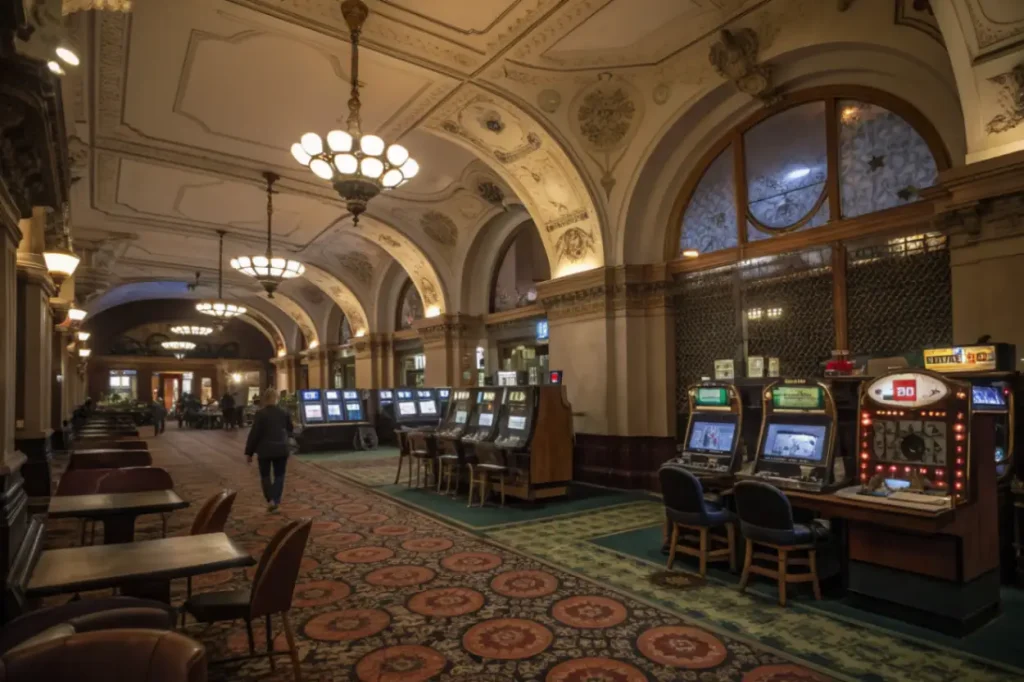
Before COVID-19, attendance at historic European casinos was deeply connected to tourism flows and cultural prestige. These venues relied heavily on international visitors, particularly from Asia, the Middle East, and North America, who associated European casinos with heritage, exclusivity, and social status. Physical presence mattered because it generated not only gaming revenue but also income from hotels, restaurants, performances, and private events.
Historic casinos positioned themselves as destinations rather than gambling halls. Attendance figures reflected seasonal tourism cycles, major cultural events, and elite travel patterns. Marketing strategies focused on partnerships with luxury brands, travel agencies, and high-end hospitality networks, reinforcing the idea that visiting a historic casino was part of a broader cultural experience.
This dependence on physical attendance also meant structural rigidity. Many historic casinos had limited incentives to digitize aggressively, as their value proposition was rooted in atmosphere, architecture, and in-person social interaction. Digital tools were mainly used for promotion, not for direct engagement or revenue generation.
COVID-19 Restrictions and Their Immediate Impact on Casino Attendance
When COVID-19 hit Europe, historic casinos faced unprecedented challenges. Mandatory closures, capacity limits, and health regulations led to dramatic drops in physical attendance. Even after reopening, casinos operated under strict protocols that reduced visitor numbers and altered the traditional experience.
To illustrate the scale of disruption, it is useful to compare attendance dynamics before and during the pandemic across major casino regions.
Before the table, it is important to note that these changes were not uniform. Local regulations, reliance on international tourism, and existing digital infrastructure all influenced outcomes.
| Region | Pre-COVID Attendance Model | Pandemic Impact | Recovery Speed |
|---|---|---|---|
| Western Europe | High international tourism | Severe decline due to travel bans | Slow, phased |
| Central Europe | Regional visitors dominant | Moderate decline | Faster |
| Southern Europe | Seasonal luxury tourism | Sharp seasonal collapse | Uneven |
The table shows that historic casinos most dependent on long-haul tourism experienced the steepest attendance losses. In contrast, venues with stronger regional audiences adapted more quickly once restrictions eased.
After these initial shocks, casinos began reassessing what attendance actually meant. Physical footfall alone was no longer a reliable indicator of brand strength or future resilience.
Digital Platforms as a Substitute and Complement to Physical Visits
As physical attendance declined, digital platforms emerged as both a substitute and a complement to traditional casino experiences. Historic casinos rapidly expanded their online presence, not only through online gambling platforms but also via virtual tours, live-streamed events, and digital loyalty programs.
To understand this transformation, it helps to outline the core digital tools adopted during the pandemic.
Before listing them, it is important to emphasize that these tools were not implemented as temporary fixes but as strategic assets.
- Online casino platforms branded under historic casino names.
- Live dealer games recreating iconic interiors.
- Virtual events, concerts, and exhibitions.
- Mobile apps with personalized offers and reservations.
This list shows how digital platforms allowed casinos to maintain engagement even when physical doors were closed. Importantly, these initiatives also attracted new audiences who had never visited the physical venues before.
After adoption, digital engagement began influencing physical attendance. Visitors who interacted online were more likely to plan future trips, book premium services, and perceive the casino as accessible rather than exclusive. Digital platforms thus shifted from being competitors to becoming gateways to physical experiences.
Hybrid Attendance Models and the Redefinition of Visitor Engagement
The post-pandemic period introduced a hybrid attendance model that blends digital interaction with physical visits. Historic casinos no longer measure success solely by counting visitors at the entrance. Instead, they track engagement across multiple touchpoints, including apps, streaming platforms, and loyalty ecosystems.
Hybrid models allow casinos to smooth seasonal fluctuations and reduce dependence on international travel. For example, a visitor may first encounter a historic casino through an online platform, participate digitally for months, and later plan a physical visit with higher spending intent.
This shift also changed spatial dynamics inside casinos. Reduced crowd density, reservation-based entry, and personalized experiences replaced mass attendance models. As a result, even with lower footfall, revenue per visitor often increased, compensating for reduced volume.
From an SEO and digital marketing perspective, this hybrid model strengthened the visibility of historic casinos. Search demand expanded beyond location-based queries to include brand-driven online experiences, increasing global reach without requiring immediate physical travel.
Long-Term Changes in Tourist Behavior and Casino Travel Patterns
COVID-19 reshaped tourist behavior in ways that continue to affect casino attendance. Travelers became more selective, preferring fewer but more meaningful trips. Health considerations, flexibility, and digital convenience now play a larger role in destination choice.
Historic casinos responded by integrating booking systems, digital concierge services, and flexible travel partnerships. These changes reduced friction and increased confidence among potential visitors. Digital previews of venues and experiences helped travelers justify long-distance trips in a more informed way.
Another long-term shift is the rise of domestic and regional tourism. European visitors increasingly explore historic casinos within their own countries or neighboring regions. Digital platforms support this trend by targeting localized audiences with tailored content and offers.
Overall, tourist behavior now aligns more closely with digital discovery paths, making online presence a direct driver of physical attendance rather than a secondary marketing channel.
The Future of Attendance in Europe’s Historic Casinos
Looking ahead, attendance at historic European casinos will remain hybrid by design. Digital platforms are no longer emergency tools but permanent components of operational strategy. Physical visits will continue to matter, but they will be fewer, more planned, and more experience-driven.
Historic casinos that successfully integrate digital storytelling, online gaming, and personalized engagement will maintain relevance even during economic or travel disruptions. Attendance will increasingly be measured by lifetime value rather than daily footfall.
This evolution preserves the cultural heritage of historic casinos while adapting them to modern consumption patterns. In this sense, COVID-19 accelerated a transformation that might otherwise have taken decades, reshaping attendance into a multidimensional concept combining presence, participation, and long-term engagement.
Conclusion
COVID-19 fundamentally changed how attendance is defined and measured in historic European casinos. The crisis exposed the vulnerability of models dependent solely on physical visitors, while digital platforms provided resilience, continuity, and new growth paths.
Today, attendance is no longer limited to who walks through the doors. It includes who engages online, plans future visits, and interacts with the brand across digital ecosystems. For historic casinos, this shift represents not a loss of tradition but an evolution that ensures their relevance in a digitally connected world.